Good to Know
Everything travellers usually ask us before booking a Tanzania safari.
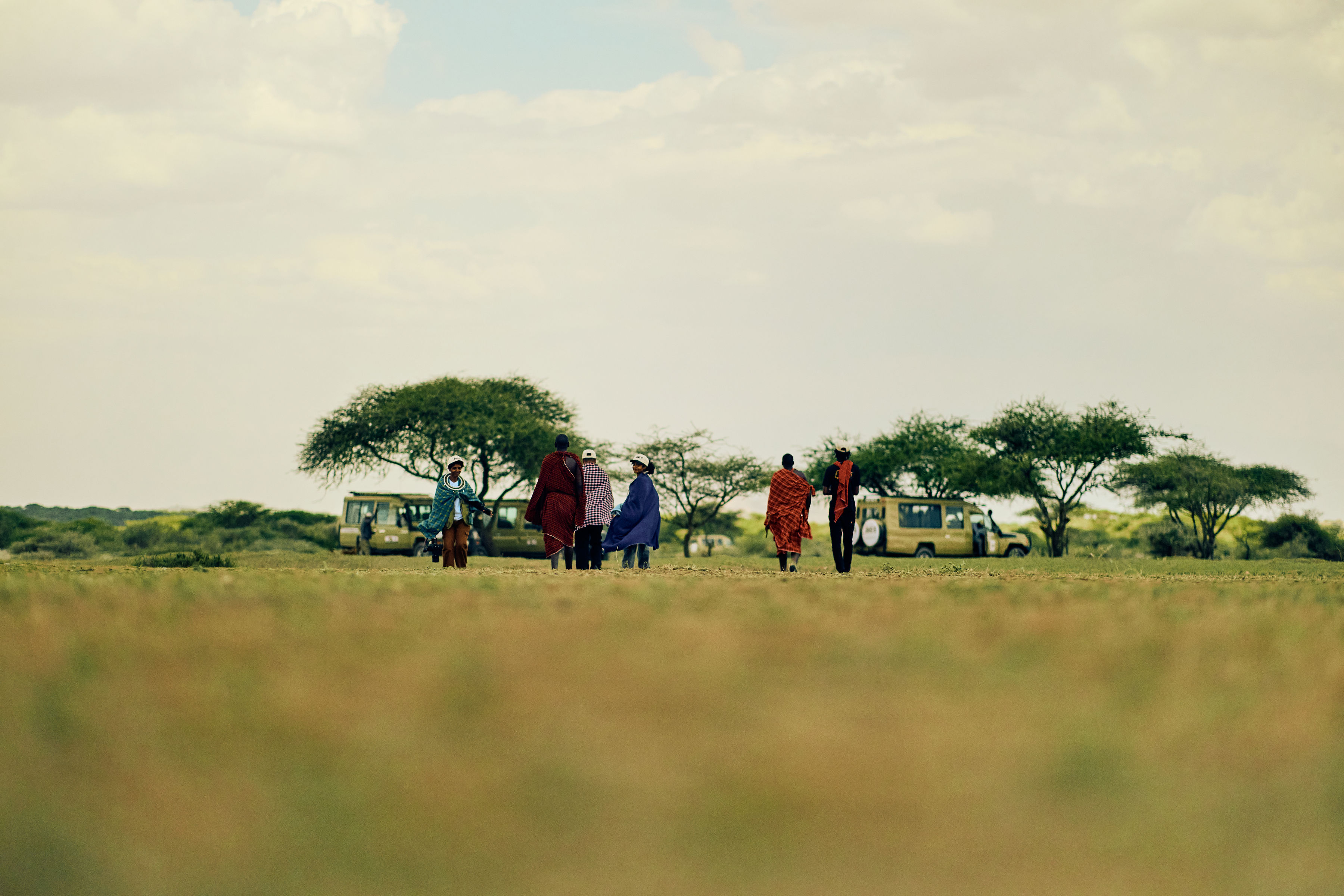
"Safari" in Kiswahili simply means "a journey" — today it is synonymous with a wildlife-viewing adventure in the African bush. If your main reason for travelling to Africa is to experience an abundance of wildlife in unspoiled wilderness, Tanzania should be your destination of choice.
Tanzania protects over 25% of its land through national parks and reserves — more than any other country on the continent. The parks are home to vast herds of wildebeest across the Serengeti, large populations of elephant and buffalo, and plenty of plains game and their predators, all roaming freely as they have for thousands of years.
Tanzania also holds a remarkable number of UNESCO World Heritage Sites, including the Serengeti, Kilimanjaro National Park, the Ngorongoro Conservation Area, Nyerere National Park (formerly Selous Game Reserve), Kilwa Kisiwani and the Songo Mnara ruins, and Mafia Island Marine Park.
Any time other than the long rains season (Mid-March to May) is a wonderful time to be on safari. We adjust each itinerary to take advantage of the best possible game viewing for the season and the current concentrations of wildlife.
Tanzania is home to more than 35 species of large mammal and over 1,000 recorded bird species. On a typical northern-circuit safari you can expect elephant, buffalo, giraffe, hippo, baboon, monkeys, and plains game such as wildebeest, hartebeest, zebra, impala and gazelle.
Most guests see lion and hyena, and often cheetah or leopard. In the Ngorongoro Crater you may spot one of the few remaining black rhino in Tanzania. With a little luck you might also see wild dog, or shy antelope such as lesser kudu, bushbuck, oryx and eland.
Every year more than a million wildebeest move through the Serengeti in search of food and water — a movement driven by the seasonal rains. It is impossible to predict the timing exactly, but there is a pattern.
From roughly mid-December to May the herds feed on the southern Serengeti plains, and calving peaks in February. Between June and July they begin moving north, reaching the Mara River around the Kenyan border between late July and early August. After the first short rains, usually in early November, they return south into Tanzania.
Even when the migration is in Kenya over the summer, resident herds and abundant wildlife remain in the Serengeti year round. In the dry season, large numbers of elephant also gather along the Tarangire River, making that park especially rewarding.
Absolutely. We would be glad to work with you to plan the best possible safari for your interests, dates and budget — whether you are a photographer, a honeymooning couple, a family or a group.
Yes. We design family safaris around the needs of travelling with children — a chance to experience Africa together, learn about wildlife and other cultures, and enjoy the trip at a comfortable pace. Our itineraries are well suited to families.
We keep groups small — usually between 2 and 5 people, and never more than 15 — so you have a more intimate connection with the bush and more flexibility on game drives.
Northern Tanzania sits at 1,500–2,300 m (5,000–7,600 ft), so the climate is mild and dry rather than tropical. Daytime temperatures are typically in the mid-20s °C (70s–80s °F) and evenings cooler, around 15 °C (60s °F). June to August is a little cooler. Coastal and lowland areas such as Zanzibar are warmer and more humid.
Safari dress is casual and comfortable — bring light layers in neutral colours, and things you do not mind getting dusty. A hat, sunglasses, sunscreen, insect repellent and a good camera or binoculars are worth having. Once your safari is booked we send detailed pre-departure notes to help you prepare.
Most guests are pleasantly surprised by both the quality and the variety. Lodges usually serve buffet-style meals, so you can choose what you like, with a mix of international and local dishes. On camping safaris, fresh food is prepared by our camp chefs to a high standard — camp cooking gets consistently good reviews from returning guests.
Yes — vegetarian, vegan and other dietary needs can be arranged with advance notice, so please tell us as early as possible. If you have multiple or severe food allergies, it is wise to bring some supplemental snacks as well.
Tanzania is one of Africa's most stable and welcoming countries, and every care is taken for your health and safety on safari. Lodges and camps are set right in the wildlife areas but are comfortable and well run, with amenities such as en-suite bathrooms, restaurants and often a pool. We also strongly recommend comprehensive travel insurance for every trip.
We provide bottled water on game drives and in camps, and good-quality bottled water is available at all lodges and camps. We do not recommend drinking tap water.
Fewer than most people expect — the areas you visit are mostly dry, especially from July to November. The insects you do see are fascinating and generally nothing to worry about; repellent and long sleeves in the evening are enough.
As early as you can, to secure availability for your dates — this matters most for the peak periods (July–August and the Christmas / New Year weeks) and for private custom safaris or trip extensions.
Always confirm with your doctor or a travel clinic, ideally 4–6 weeks before you travel. For entry to Tanzania a yellow fever certificate is generally required if you are arriving from a country with risk of transmission, and anti-malarial medication is recommended for the safari areas.
Peak season: 1 January – 29 February, and 1 June – 31 October
High season: 1 – 31 March, and 1 November – 31 December
Low season: 1 April – 31 May
Lodge and camp rates are lowest in the low season. Every itinerary can be tailor-made to your interests — contact us to start planning.
Still Have Questions
Every safari we run is tailor-made — tell us what you have in mind and we'll come back within 24 hours.
 English
 Français
 Deutsch
 Español
 Italiano
 中文
中文 日本語
日本語