 English
 Français
 Deutsch
 Español
 Italiano
 中文
中文 日本語
日本語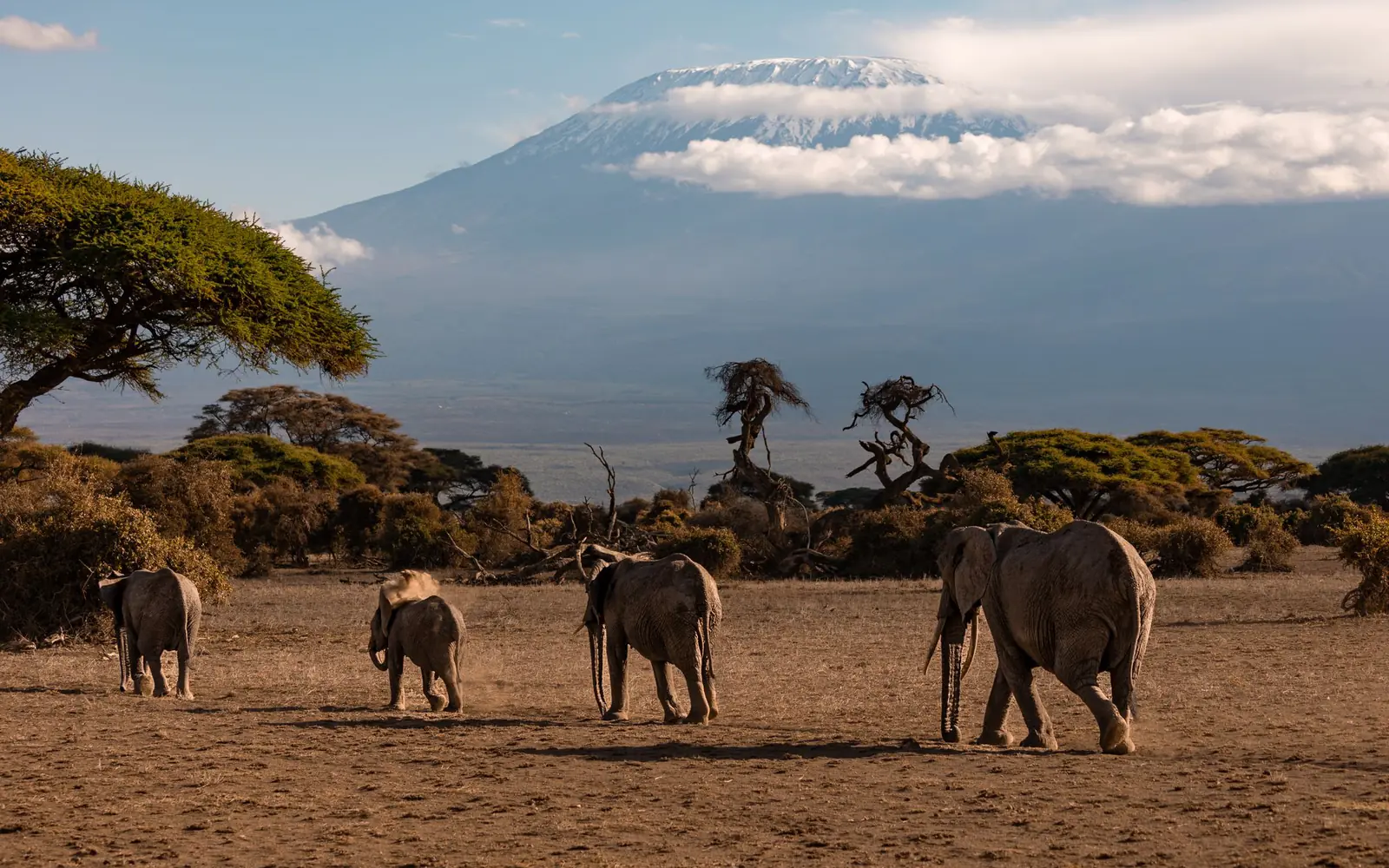

By Big 5 Africa Safari Team · September 9, 2026
A first safari involves more logistics than most people expect before the actual trip planning even starts. Here's a straightforward order to work through it.
Most nationalities need an eVisa or visa-on-arrival for Tanzania and/or Kenya — apply for the eVisa in advance where it's offered, since queues on arrival can be long. Check your passport has at least six months' validity and enough blank pages, and confirm the current requirements on the official government immigration site before you book, since rules do change.
See a travel clinic 6-8 weeks before you fly. Yellow fever vaccination may be required if you're transiting through certain countries, even if it isn't required for Tanzania or Kenya themselves. Malaria prophylaxis is generally recommended for the whole region, including Zanzibar and the lower slopes of Kilimanjaro.
Standard travel insurance often excludes high-altitude trekking above a set elevation (commonly 4,000–4,500m) — if you're climbing Kilimanjaro, check your policy actually covers the summit at 5,895m, or buy a specific add-on. Emergency medical evacuation cover is worth treating as essential, not optional, given how remote some parks are.
Neutral-coloured clothing (khaki, olive, grey) for game drives; a warm layer for early-morning drives, which are colder than people expect even at the equator; a good pair of binoculars if you have them; and — for Kilimanjaro specifically — proper layered cold-weather gear, since summit-night temperatures regularly drop well below freezing.
Park fees, a private vehicle and guide, and camp or lodge accommodation are the three biggest line items on any safari quote, and they scale with group size, season and how remote the parks are. A transparent operator will break these down for you rather than quoting one flat number — ask for the breakdown if you don't get it automatically.
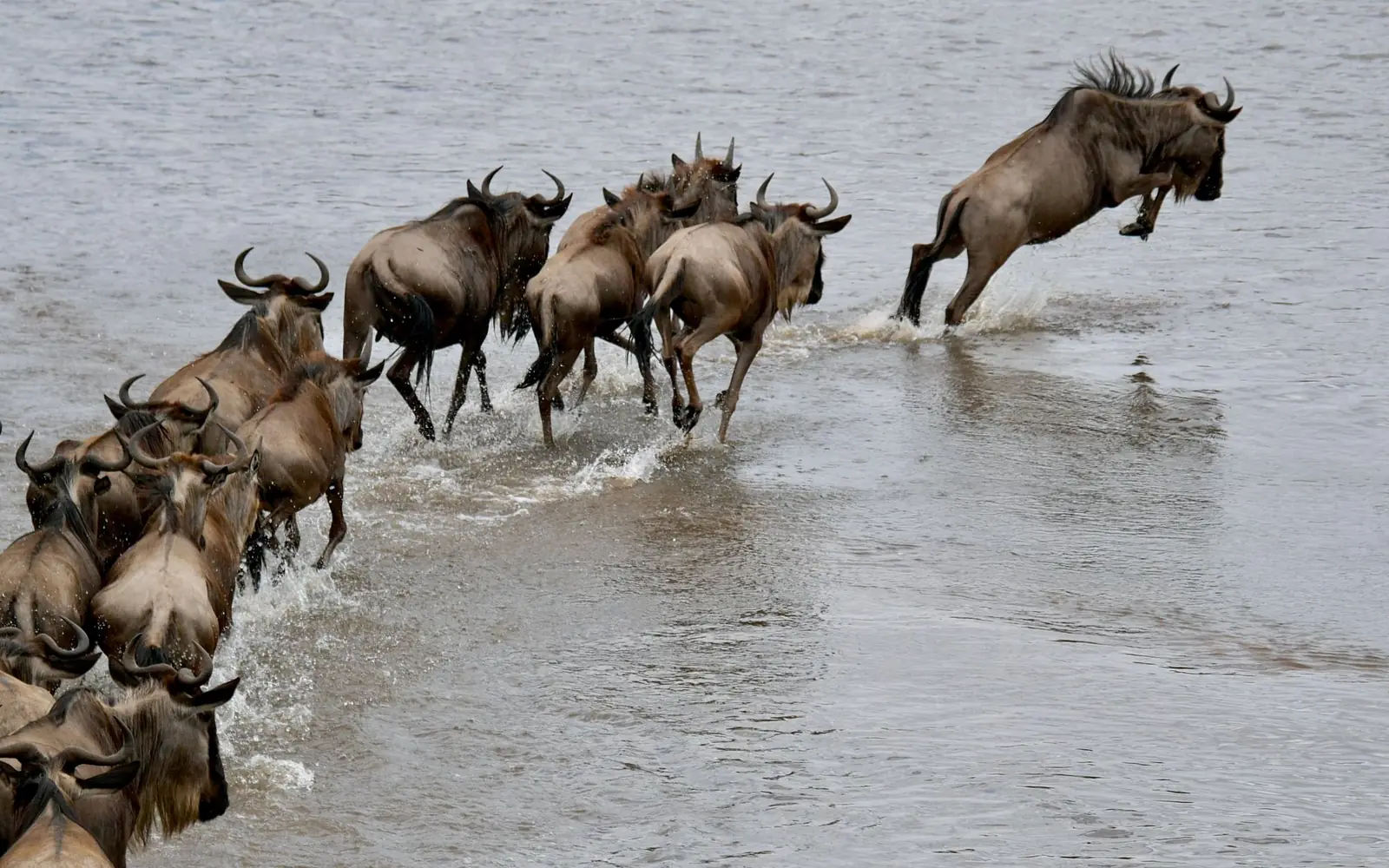
Peak season (roughly July-October and December-February) camps and lodges can book out 6-12 months ahead, especially in the Serengeti during migration season. Shoulder season (April-June, November) has far more flexibility and often meaningfully lower rates.
None of this is complicated once it's laid out — it's just a lot of small things to have covered before the exciting part of planning (choosing the actual itinerary) starts.