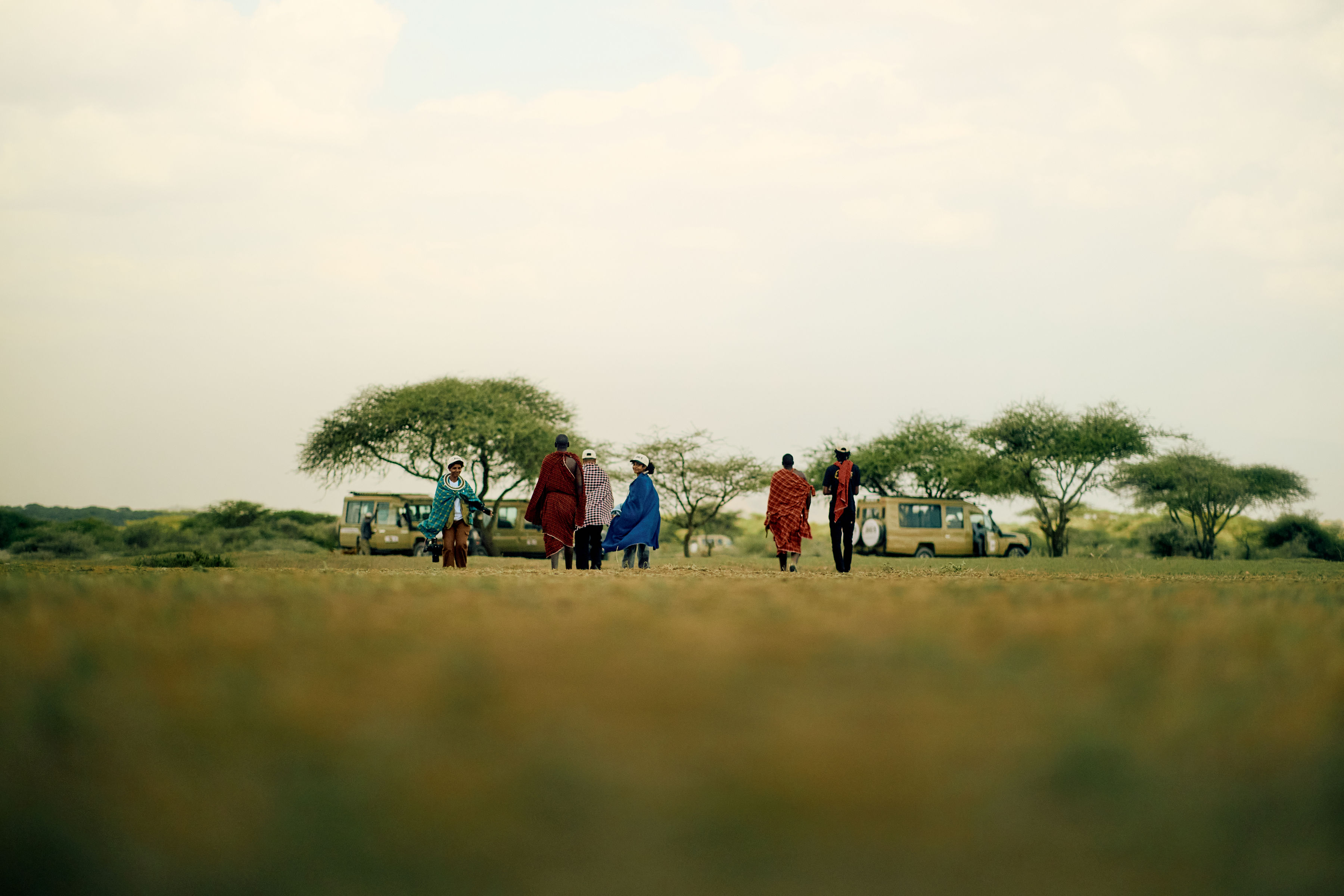
Safari
What travellers ask us most before booking a Tanzania safari.
Good to Know
The long dry season, June to October, is the classic window: wildlife concentrates around water, the bush is thin so animals are easier to spot, and the northern Serengeti river crossings usually happen from July. January and February are also excellent — dry, warm, and the wildebeest calving season on the southern Serengeti plains. The green season (November, and March to May) is quieter, cheaper and beautiful, with superb birding, though afternoon rain is likely. See the Weather & Seasons page for the full picture.
Around 1.5 million wildebeest and 250,000 zebra move through the Serengeti–Mara ecosystem in a roughly circular, year-round pattern. In broad terms: Dec–Mar calving on the southern plains near Ndutu; Apr–Jun the herds move north-west through the central and western Serengeti; Jul–Oct the dramatic Grumeti and Mara river crossings in the north; Nov the return south. It is always somewhere in the Serengeti — the trick is matching your dates and your camp location to where the herds will be.
Lion, leopard, elephant, buffalo and rhino. On a well-planned northern-circuit safari of about a week — Serengeti plus the Ngorongoro Crater — most guests see four of the five comfortably; rhino is the hardest, and the Crater is the most reliable place for it. No guide can guarantee sightings of wild animals, but longer trips and good areas stack the odds heavily in your favour.
Three days is enough for a short Ngorongoro-and-Tarangire taster. Five to seven days is the sweet spot for the northern circuit and lets you reach the Serengeti properly. Ten days or more opens up combinations — the south, the west, or a beach finish in Zanzibar. Driving distances between parks are long, so more days means less time in the vehicle in transit and more time watching wildlife.
An early start — tea or coffee at dawn, then a game drive when animals are most active. Back to camp mid-morning for a full breakfast, then rest through the heat of the day. An afternoon game drive from around 4 p.m., often finishing with a sundowner drink, then dinner back at camp. Some camps offer a full day out with a picnic lunch, and in private conservancies you can add night drives and walking safaris. See "What to Expect on Safari" for more detail.
A private safari is your own vehicle and guide, on your own schedule — the most flexible. A small-group safari shares a vehicle with a few other travellers on a set route and date, which keeps the cost down. A fly-in safari swaps the long road transfers for light-aircraft hops between airstrips, so you spend more time in the parks and less on the road — it costs more but is the best way to reach the remote south and west. See the Safari Styles page.
Tanzania is a well-established safari destination and serious incidents are very rare. The animals are genuinely wild, so the rules matter: stay inside the vehicle unless your guide says otherwise, keep noise down, never stand up or lean out near big animals, and follow the guide and camp staff — especially walking between tents after dark, when you are escorted. Your guide is trained and reads animal behaviour constantly.
The Northern Circuit (Serengeti, Ngorongoro, Tarangire, Manyara) has the highest wildlife density, the Migration and the best infrastructure — the right choice for a first safari. The Southern Circuit (Nyerere, Ruaha) is wilder and quieter, with boat safaris and walking, usually done fly-in. The Western Circuit (Katavi, Mahale, Gombe) is for chimpanzees and true remoteness. Many longer trips combine a northern or southern safari with Zanzibar.
A typical private safari includes park entry and concession fees, a 4x4 with a pop-up roof and an English-speaking guide, all accommodation, meals as specified (usually full board in the parks), drinking water in the vehicle, and airport transfers. It usually excludes international flights, visa, travel insurance, drinks, tips, and optional extras such as balloon flights. Your quote itemises exactly what is and is not included.
Tipping is customary and appreciated. As a widely used guideline, budget roughly US$20–30 per group per day for your safari guide, and US$10–15 per guest per day for camp and lodge staff (pooled). Tip in cash — US dollars or Tanzanian shillings — at the end of your stay.
Yes, and it can be a wonderful family trip. Some camps have a minimum age (often 6 or 12) for shared game drives, and a private vehicle removes that restriction. Long drives can test younger children, so a shorter northern-circuit route, a private guide and family-friendly camps with pools and flexible mealtimes make a big difference.
Ready when you are
Tell us your dates and what you would like to see — we will build the trip around it.
 English
 Français
 Deutsch
 Español
 Italiano
 中文
中文 日本語
日本語