 English
 Français
 Deutsch
 Español
 Italiano
 中文
中文 日本語
日本語

By Big 5 Africa Safari Team · August 22, 2026
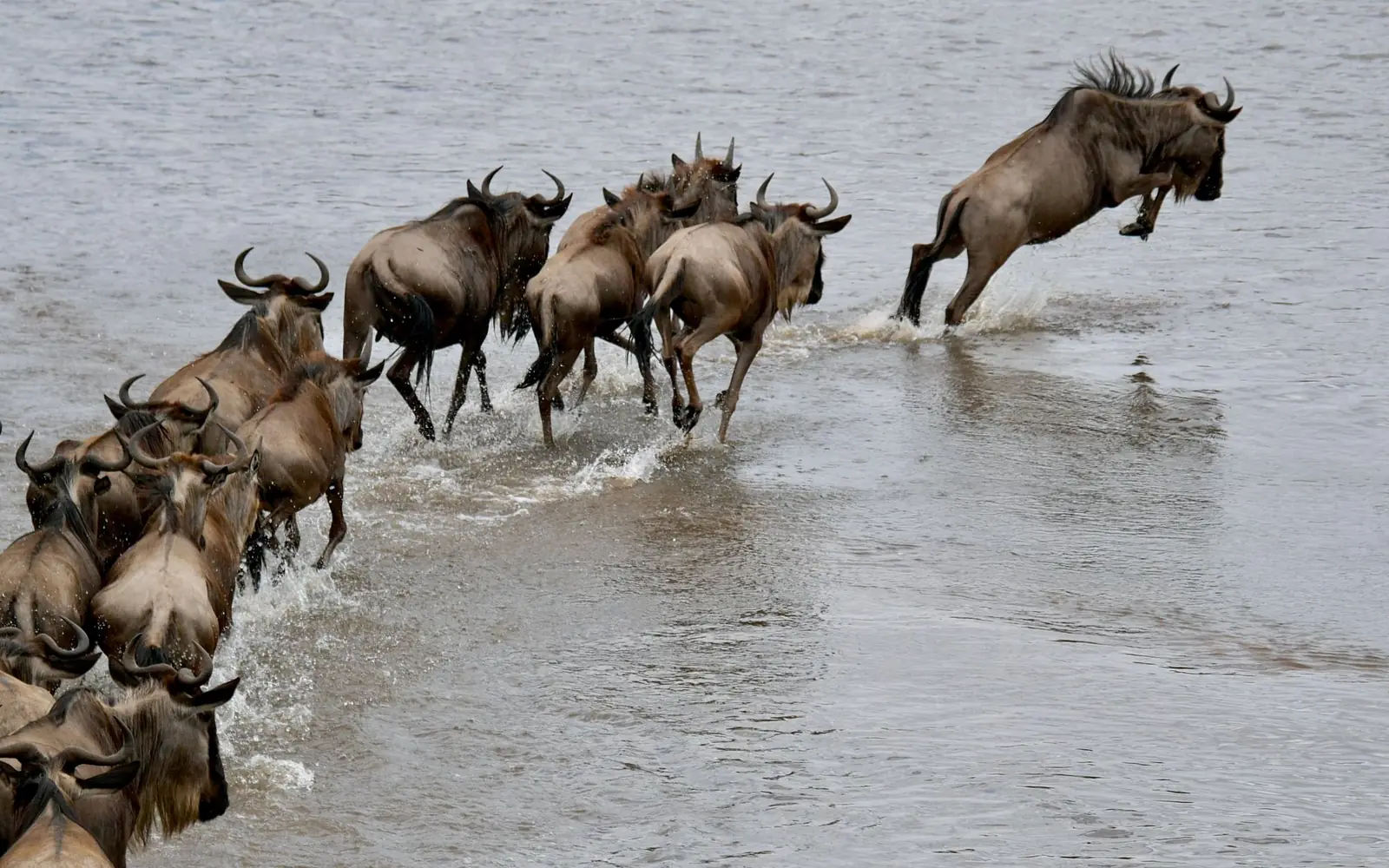
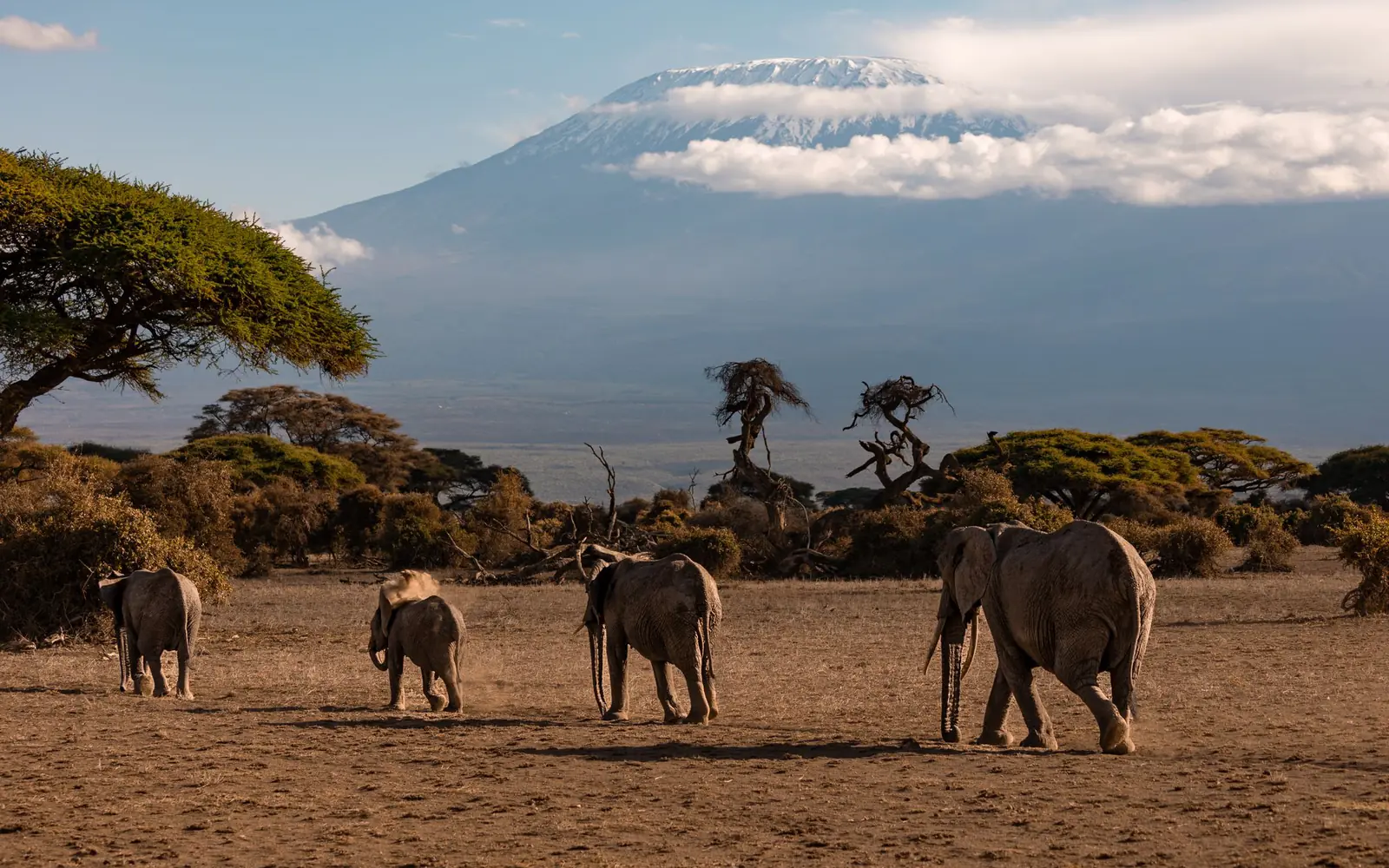
The "Great Migration" isn't a single event you either catch or miss — it's a continuous, roughly circular movement of over a million wildebeest (plus hundreds of thousands of zebra and gazelle) around the Serengeti-Mara ecosystem, driven by rainfall and grass growth. Where the herds are depends entirely on when you travel.
The short rains bring the herds south onto the nutrient-rich plains around Ndutu and the southern Serengeti, where roughly 8,000 calves are born every day at the peak in late January and February. It's an extraordinary concentration of new life — and of predators following it.
As the short grass plains dry out, the herds push north into the central Serengeti. Rain is heavier and more frequent this time of year, roads can be harder going, and some camps close for the season — but the parks are quiet and rates are usually at their lowest.
The migration moves through the Western Corridor, where the herds cross the Grumeti River, then continues north toward the Kenyan border. This is when the dry season really sets in and game viewing opens up across the plains.
The most photographed chapter: the herds bunch up at the Mara River, working up the courage to cross — and the crocodiles waiting for them. Crossings can happen at Kogatende in the northern Serengeti or over the border in Kenya's Masai Mara, and they're never guaranteed on a fixed schedule; herds can wait days on a riverbank before committing, or cross and re-cross the same stretch repeatedly.
The short rains arrive and pull the herds back south through the eastern Serengeti, restarting the cycle in time for the next calving season.
If a river crossing is the one shot you want, plan for July through October and build in a few days' buffer — the herds don't read a calendar. If you'd rather see newborn calves and the drama of predators hunting them, December through March in the southern plains is hard to beat, and it's also shoulder season with better availability. There genuinely isn't a wrong time to see the Migration — only a different chapter of the same story.