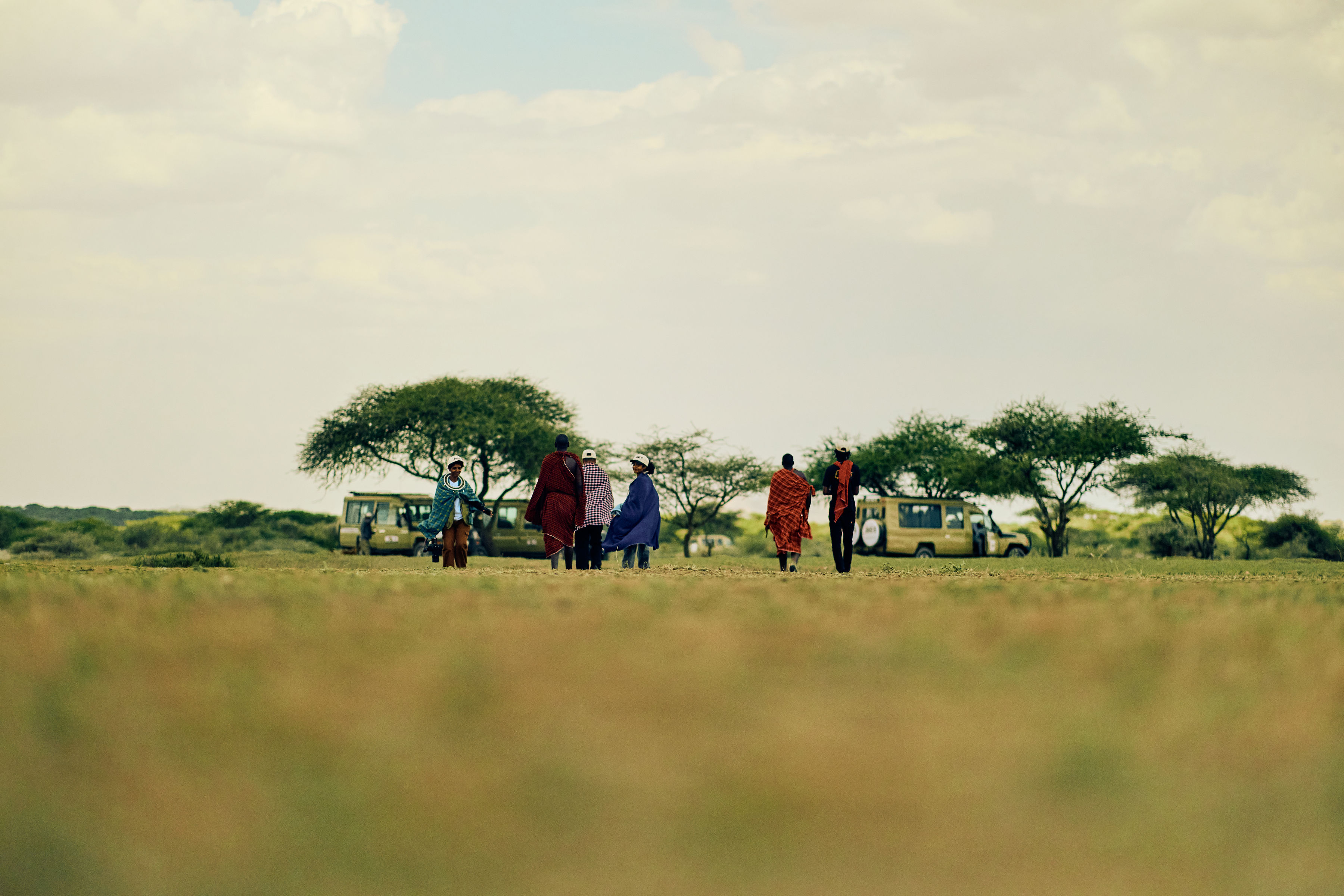
Tanzania sits just south of the Equator, so the year is shaped by rainfall rather than temperature. Altitude matters too: the coast and low-lying parks are hot, while the Ngorongoro highlands and the Kilimanjaro gates are cold at night.
The classic safari window. Skies are clear, the air is cooler and wildlife concentrates around shrinking water sources. This is the peak period for Kilimanjaro and, from roughly July to October, for the wildebeest river crossings in the northern Serengeti. It is also the busiest and most expensive time.
Short, mostly afternoon showers freshen the landscape. Parks are green and quiet, birding is excellent as migrants arrive, and rates are lower.
Warm and largely dry. The southern Serengeti plains fill with wildebeest for the calving season, which draws predators. A good window for Kilimanjaro.
The wettest months, heaviest in April. The bush is lush and lodges are at their cheapest, but some seasonal camps close and roads can be difficult. Not the best time for Kilimanjaro.
Hot and humid all year. The best beach weather is roughly December to February and June to October; April and May are the wettest.
 English
 Français
 Deutsch
 Español
 Italiano
 中文
中文 日本語
日本語