 English
 Français
 Deutsch
 Español
 Italiano
 中文
中文 日本語
日本語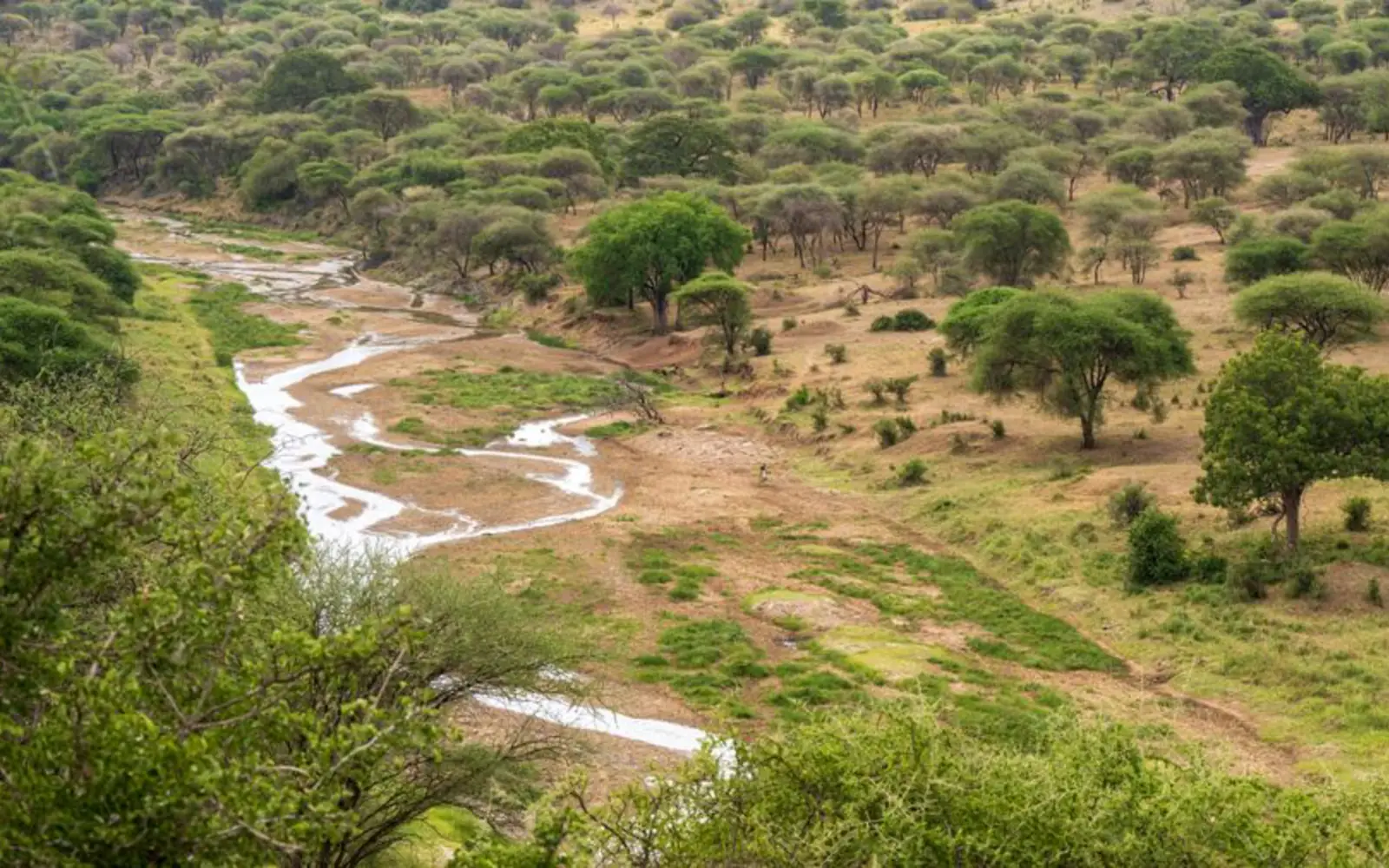
4-Day Nyerere (Selous) Fly-in Safari
A short fly-in to Tanzania's largest park — boat safaris on the Rufiji River, walking safaris with an armed ranger,...
Tanzania's largest national park at 30,893 km² — the former northern Selous, carved out in 2019. Boat safaris on the Rufiji River, huge wild-dog populations and almost no crowds.
Nyerere National Park was created in 2019 from the northern, photographic-tourism section of the Selous Game Reserve, and at 30,893 square kilometres it is now the largest national park in Tanzania and one of the biggest in Africa. It is named after Julius Nyerere, the country's founding president. The southern part of the old reserve remains the Selous, still used for other purposes.
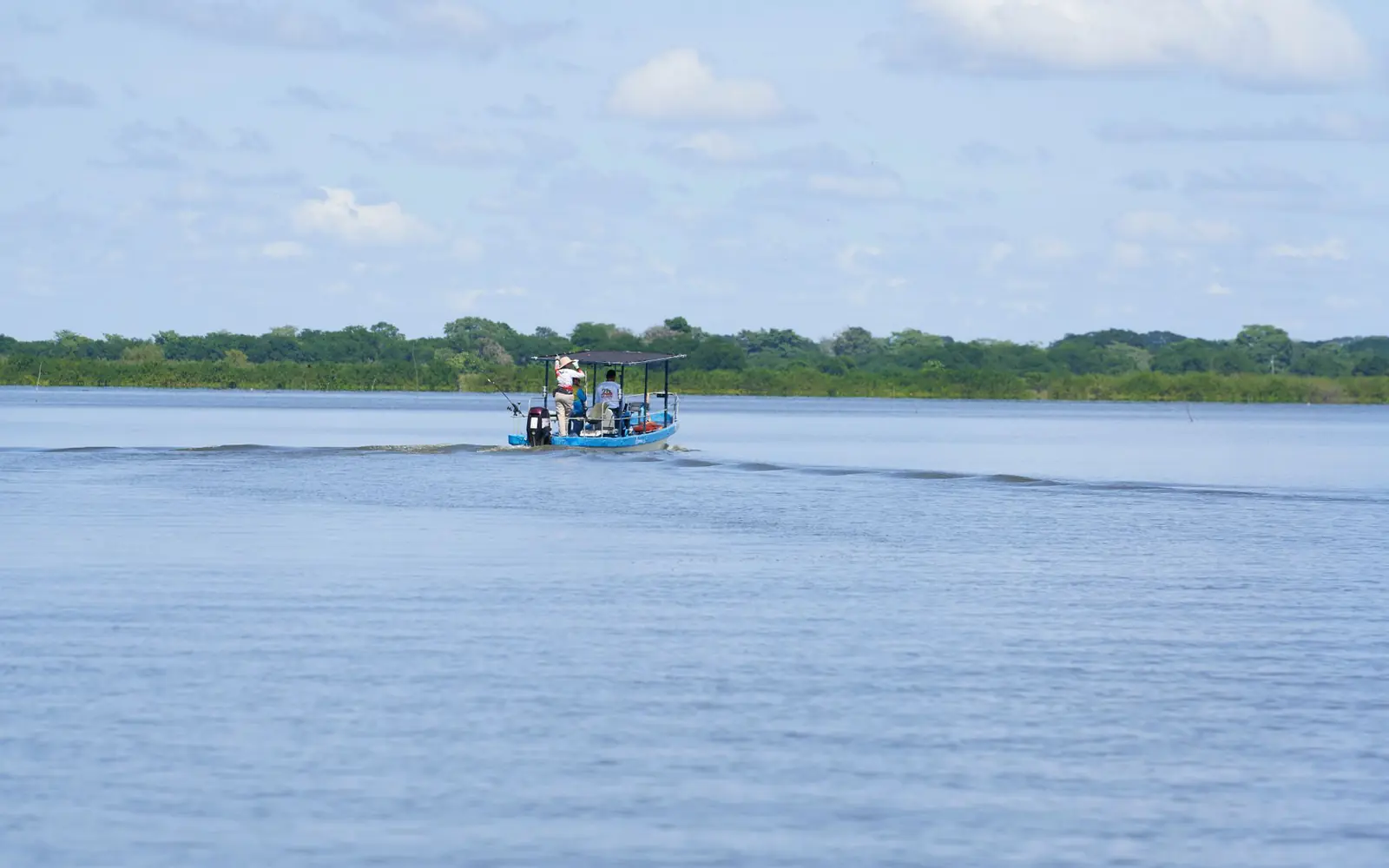
The park is defined by the Rufiji, Tanzania's largest river, which spreads into a maze of channels, lakes and sandbars that support big populations of hippo and crocodile and one of Africa's most important strongholds for the endangered African wild dog. Elephant, lion, buffalo, giraffe and sable antelope are all present. What sets Nyerere apart from the northern parks is how you see it: boat safaris along the Rufiji, walking safaris with an armed ranger, and fly-camping are all standard here, and visitor numbers are a fraction of the Serengeti's.
Things To Do
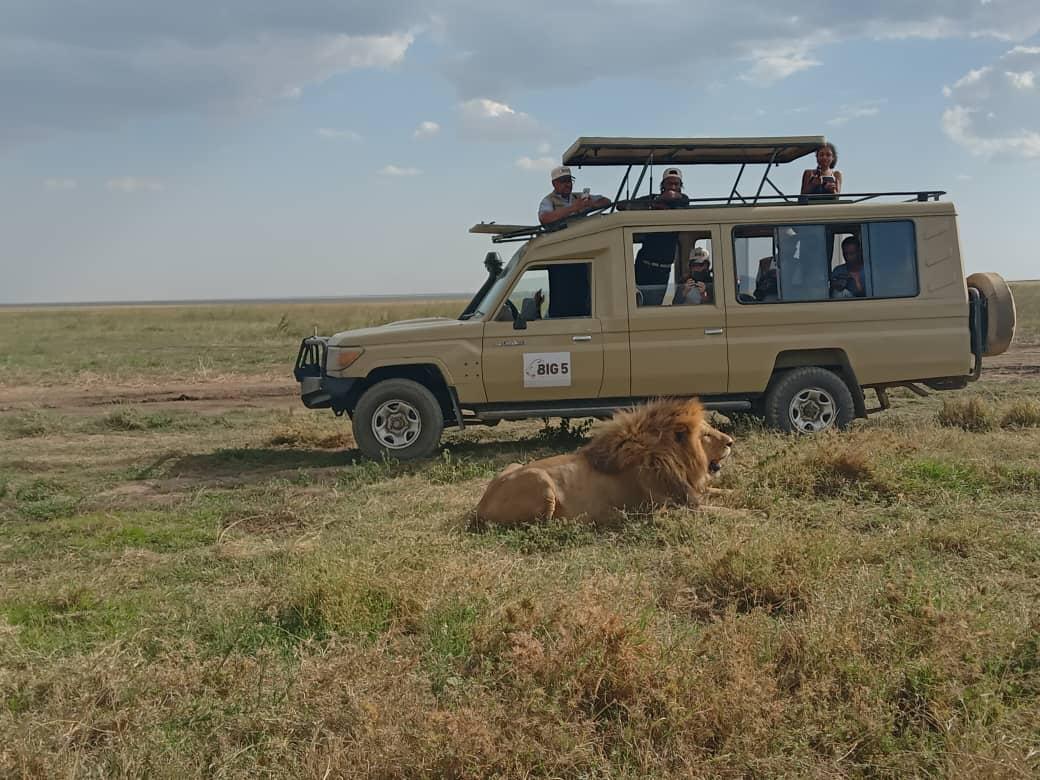
The core of every safari — tracking wildlife across the parks in a pop-top or open-sided…
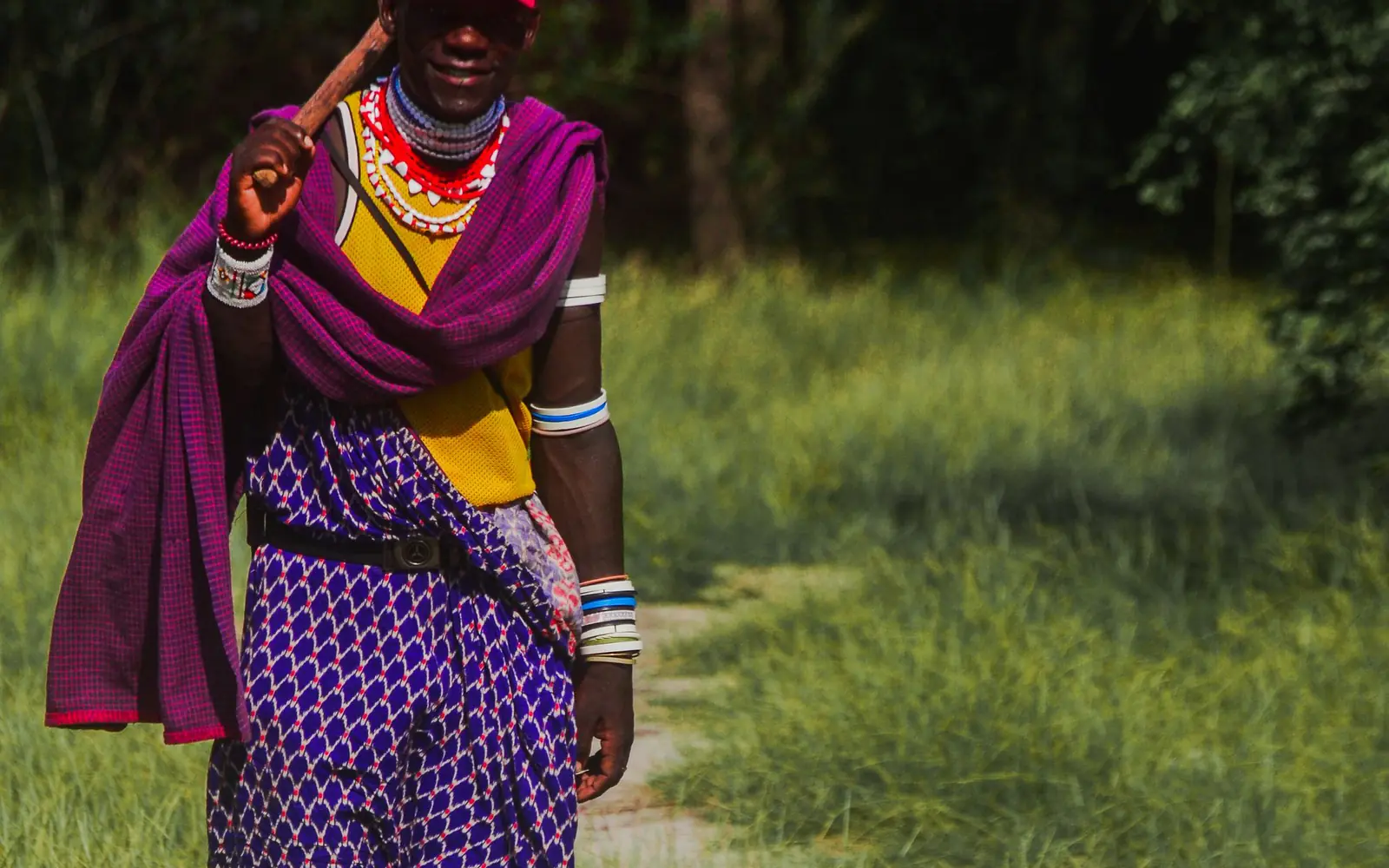
Exploring the bush on foot with an armed ranger and a walking guide — tracks, plants,…
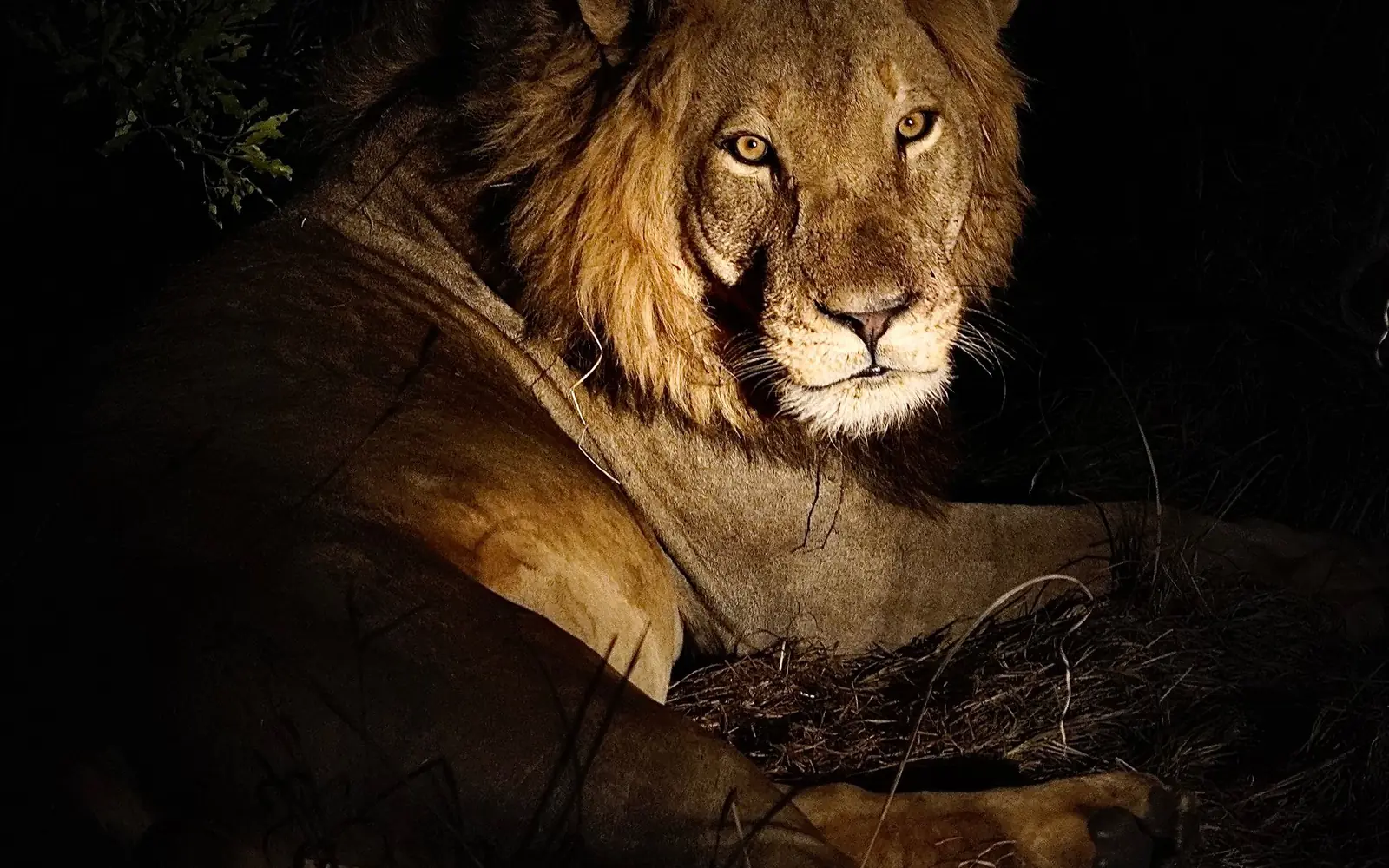
After-dark drives with a spotlight to find the nocturnal animals — genets, civets, bushbabies, aardvark and…
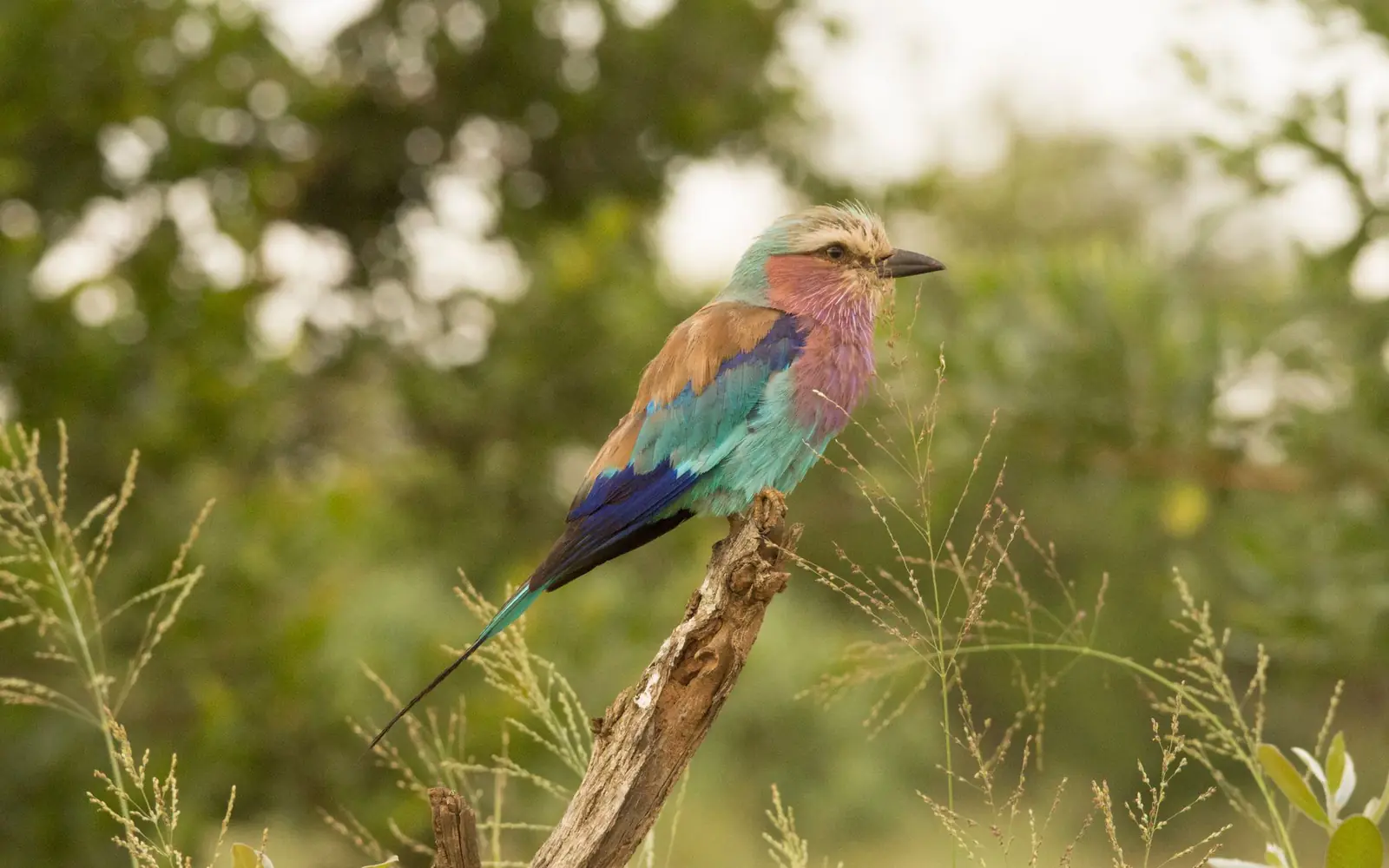
Tanzania has over 1,100 recorded bird species — from the flamingos of the Rift Valley lakes…
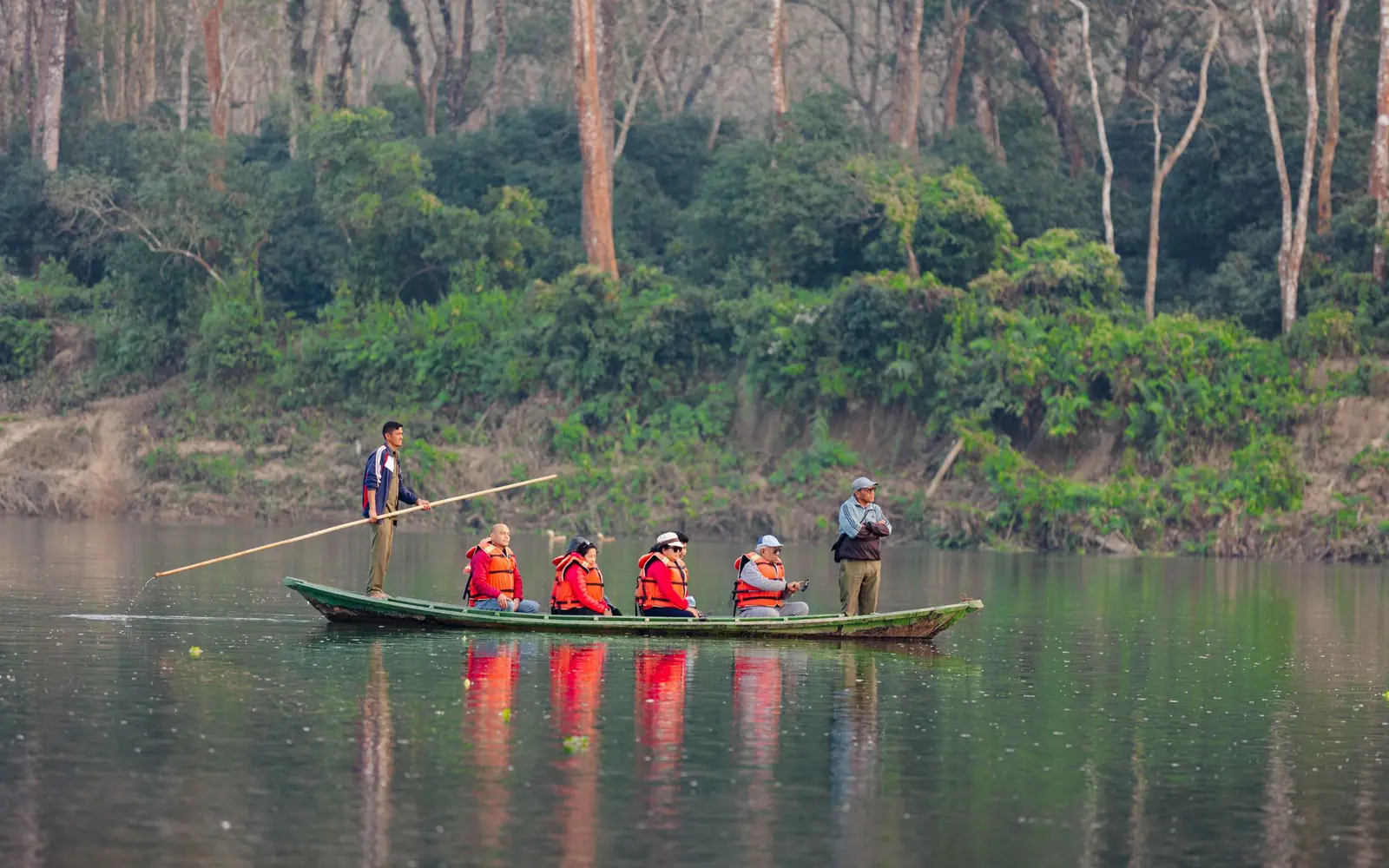
Paddling the Momella Lakes in Arusha National Park or the Rufiji in Nyerere — a quiet,…
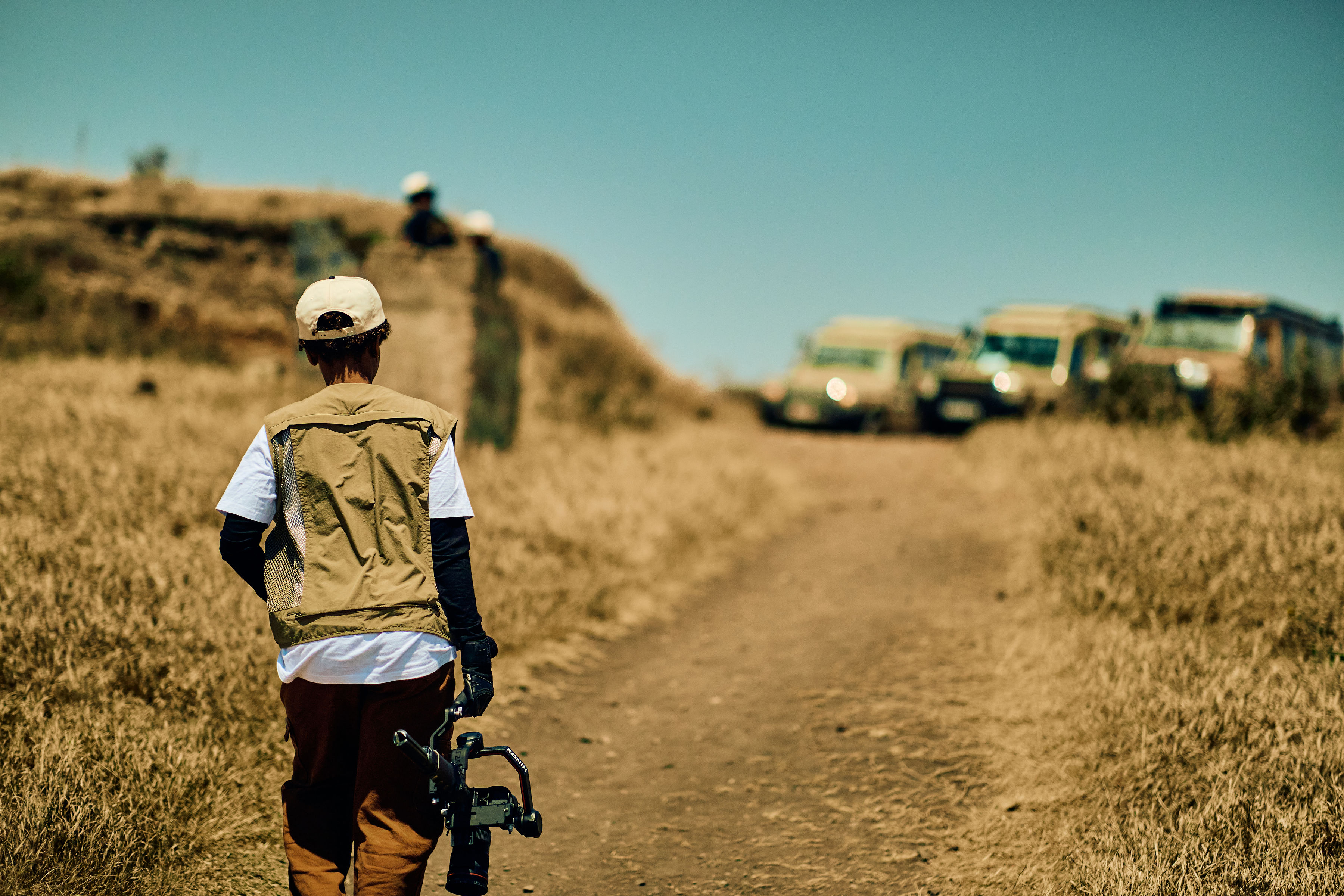
Safaris built around the light and the shot — later starts turned into longer stays at…