 English
 Français
 Deutsch
 Español
 Italiano
 中文
中文 日本語
日本語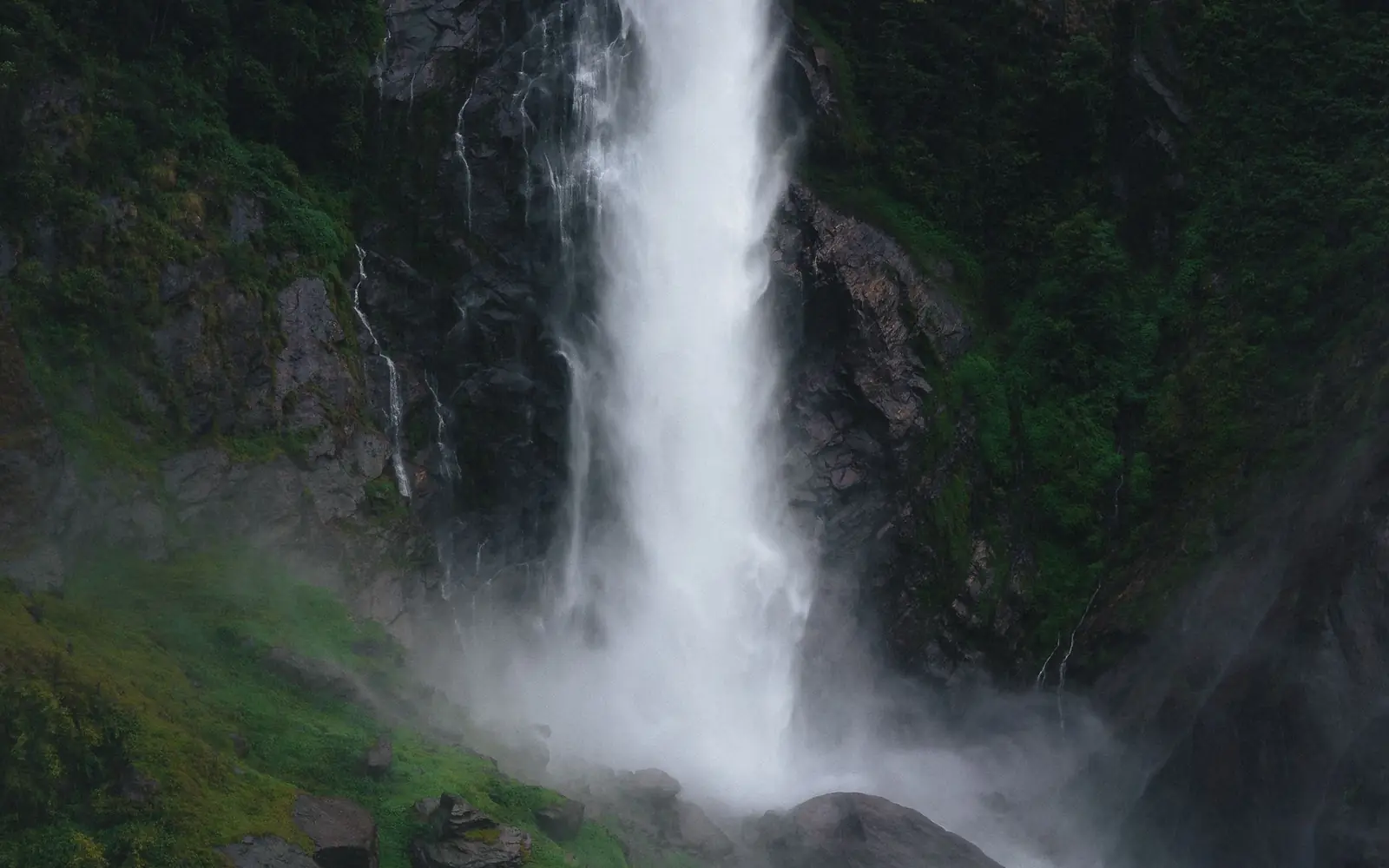
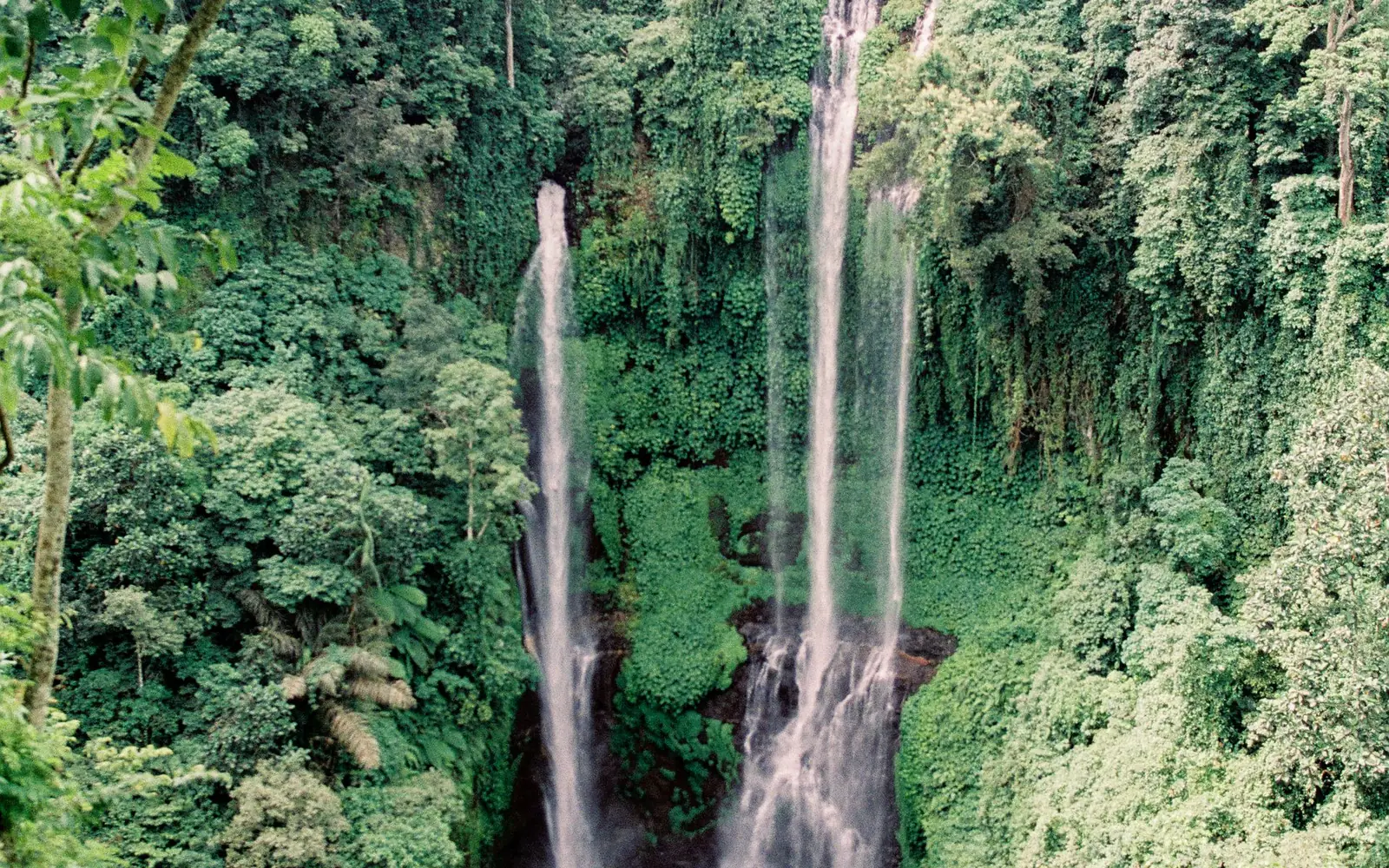
Materuni Waterfalls & Coffee Tour
A hike through Chagga farmland on Kilimanjaro's lower slopes to a 90-metre waterfall, paired with a hands-on coffee tour with...

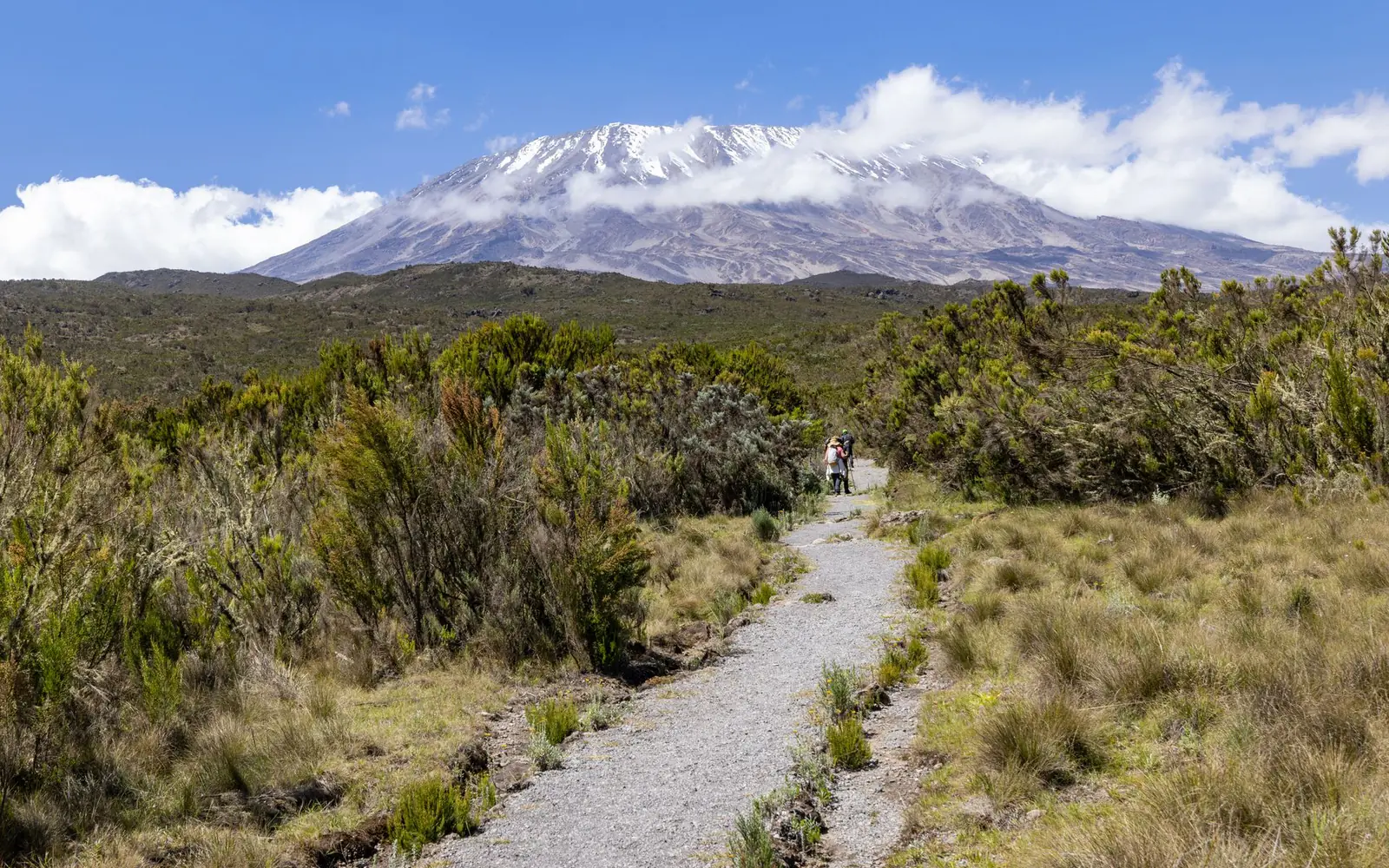
1,688 km² protecting Africa's highest mountain. Uhuru Peak stands at 5,895 m — the world's tallest free-standing mountain and a UNESCO World Heritage Site since 1987.
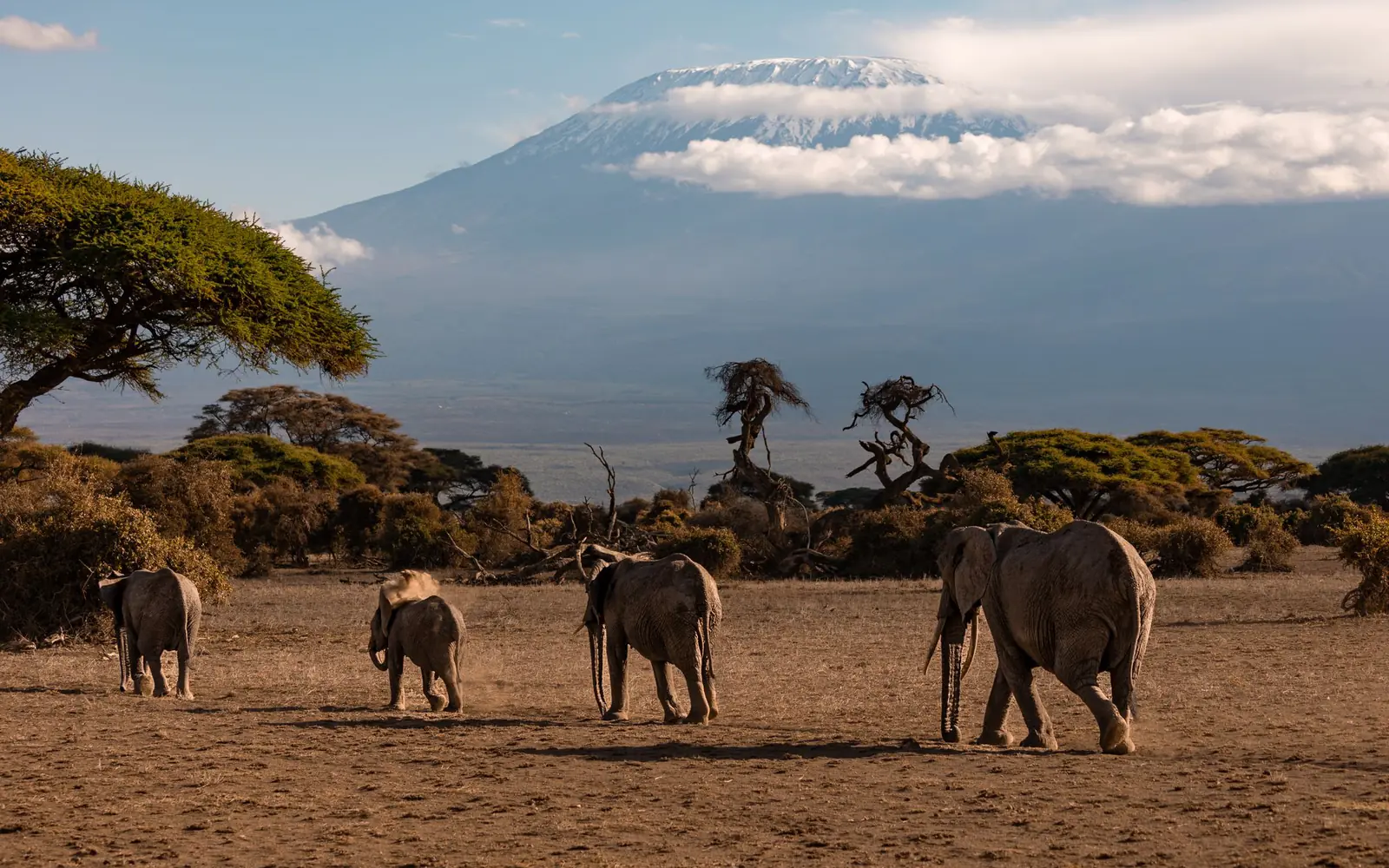
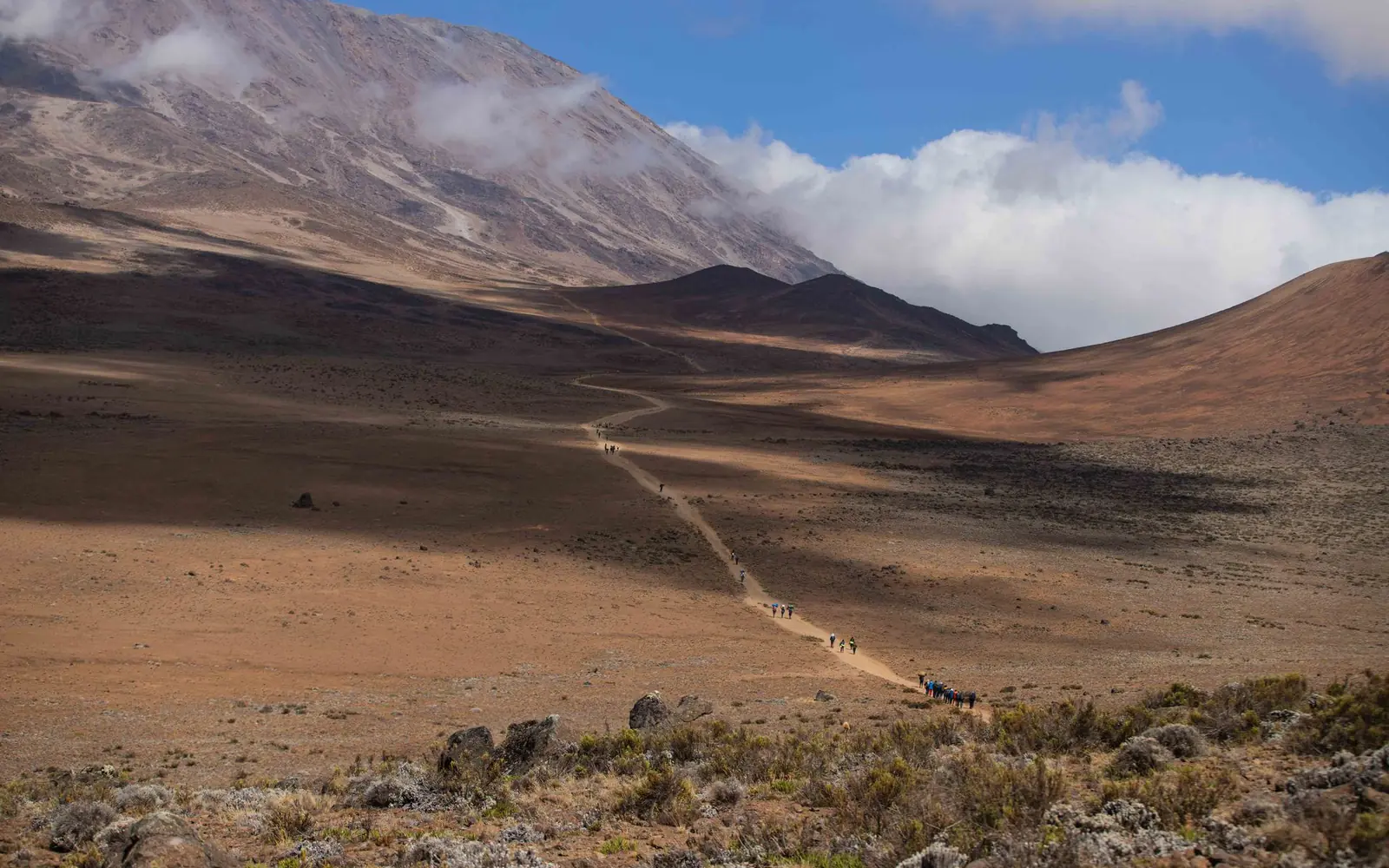
Gazetted as a national park in 1973 and made a UNESCO World Heritage Site in 1987, Kilimanjaro National Park protects the whole mountain above the tree line plus the montane forest belt on its lower slopes. Uhuru Peak, on the Kibo cone, reaches 5,895 metres — the highest point in Africa and the highest free-standing mountain on Earth.
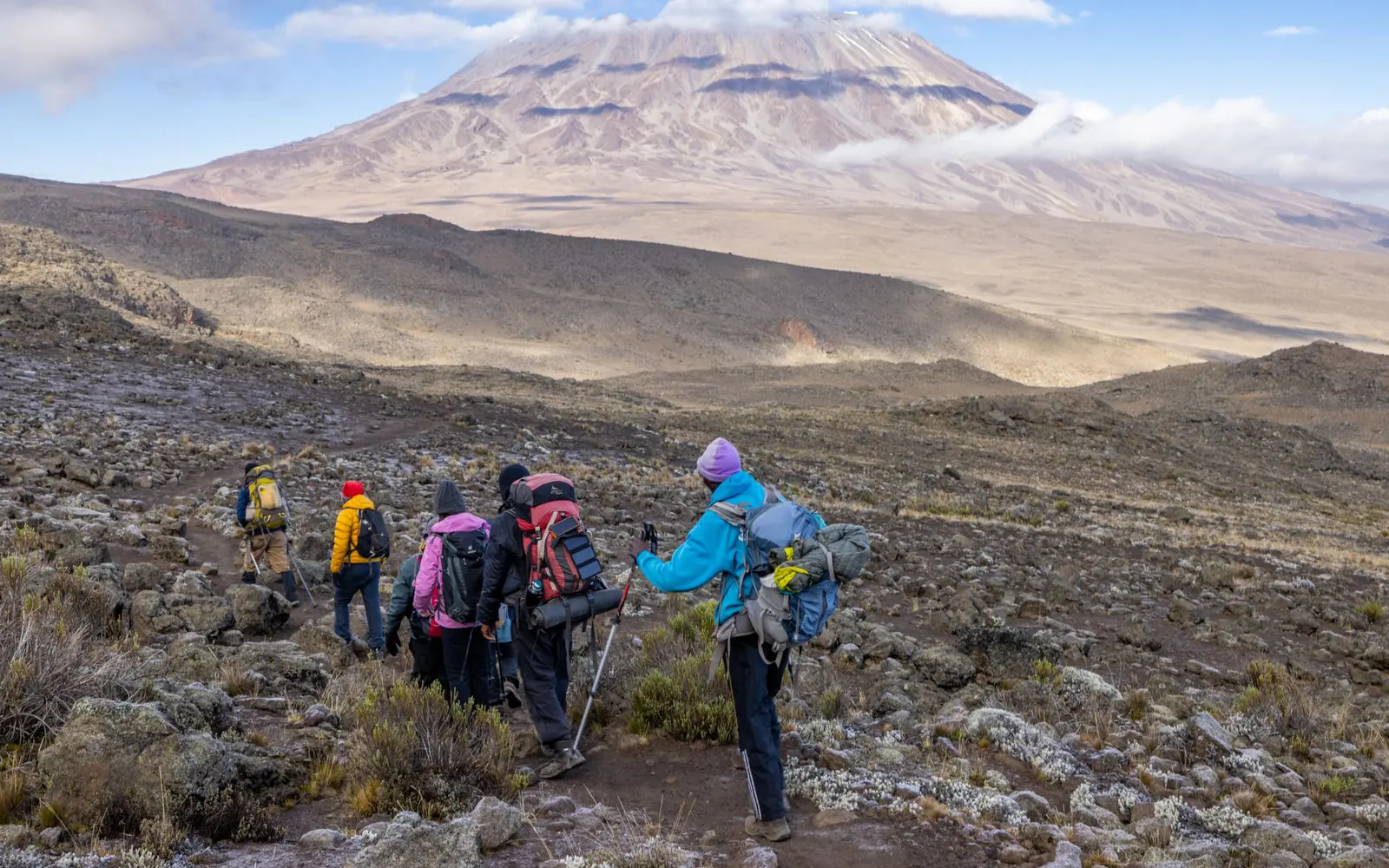
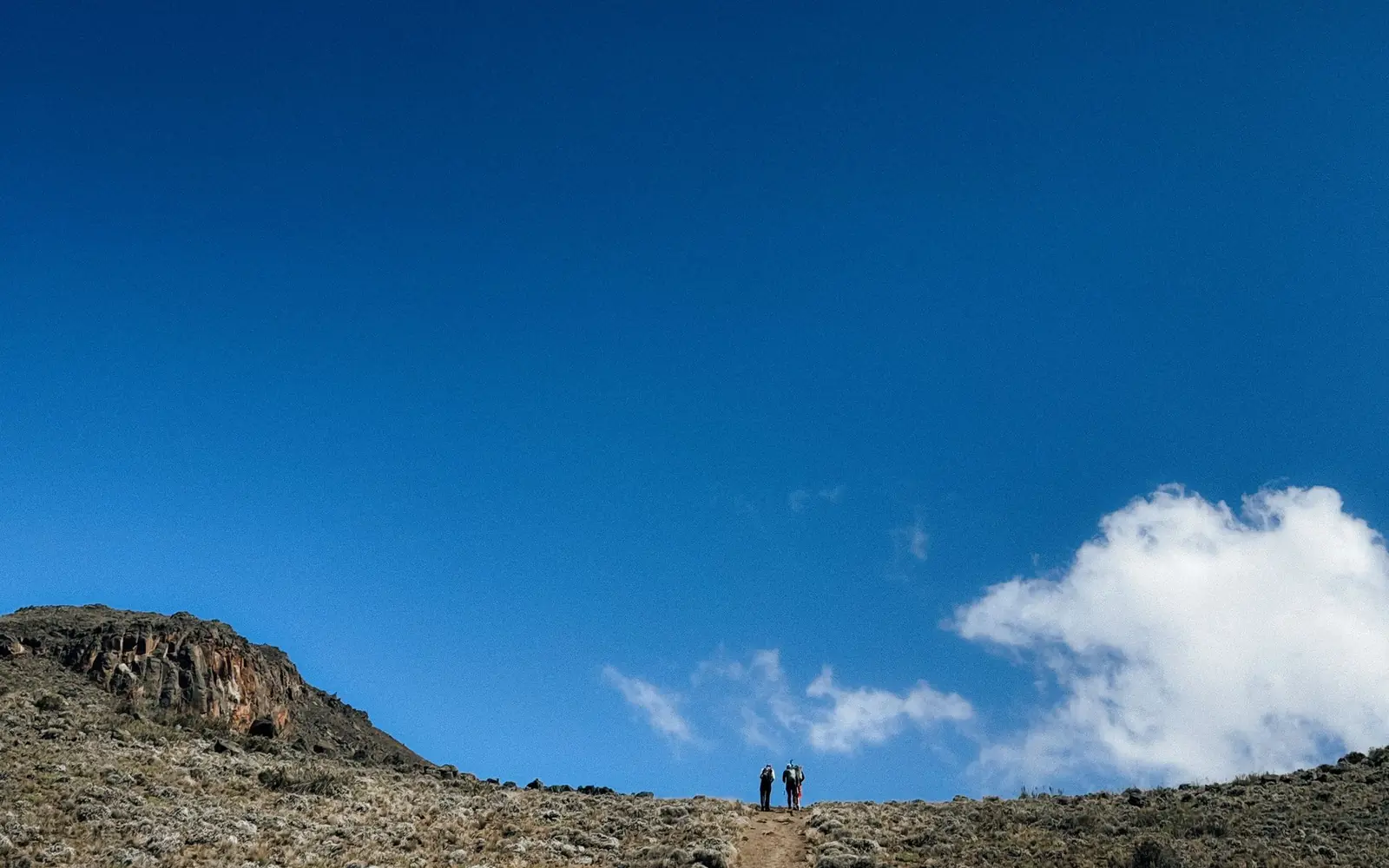
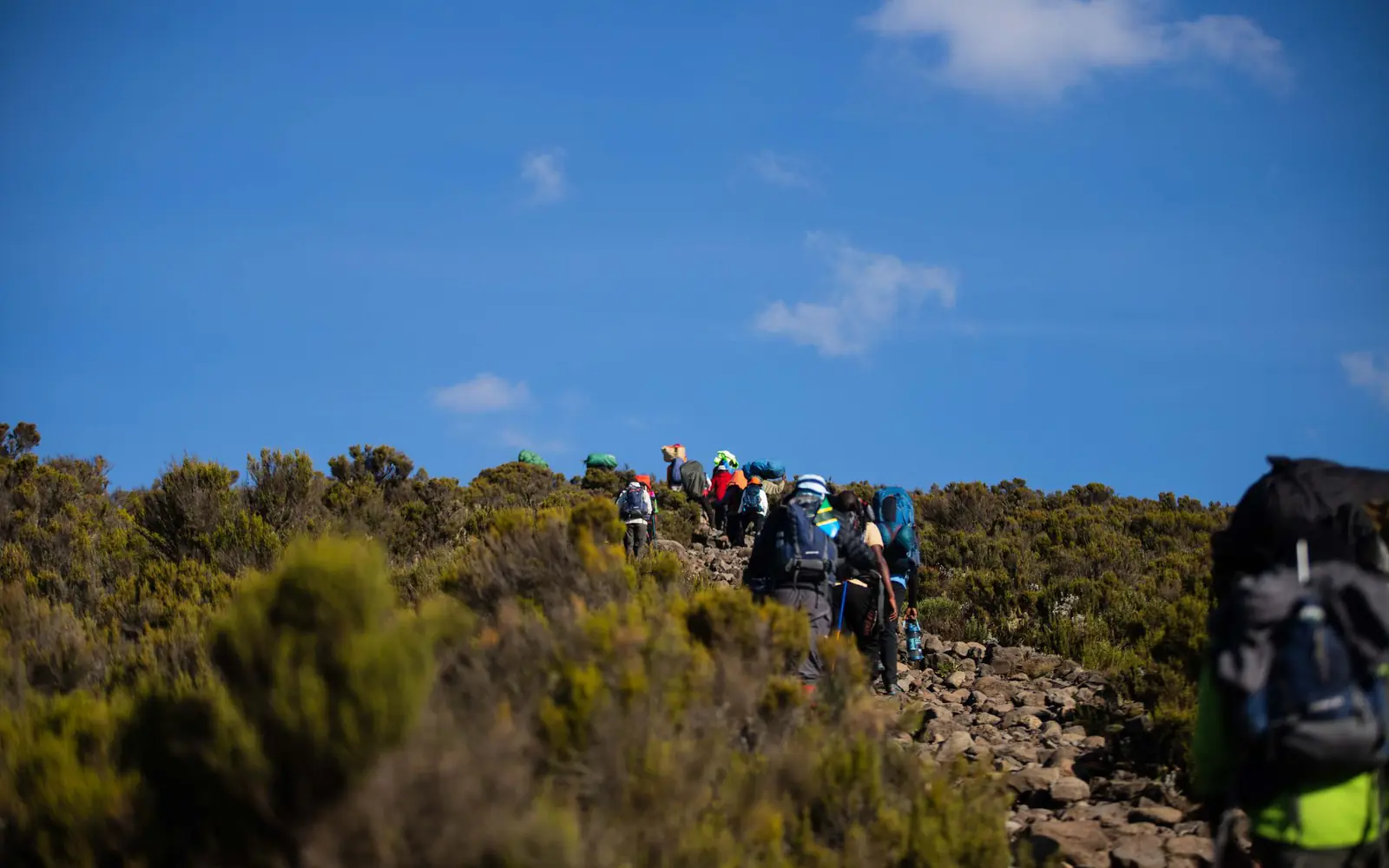
A climb crosses five climate zones in a few days, from rainforest through heath and moorland to alpine desert and, at the summit, an arctic zone of glaciers and bare rock. Seven official routes lead up: Marangu, Machame, Lemosho, Rongai, Umbwe, Shira and the Northern Circuit, ranging from five to nine days, with longer routes giving better acclimatisation and higher success rates. Lower-slope forest holds elephant, buffalo, blue monkey and, occasionally, leopard, though most visitors come for the trek rather than the wildlife.
Things To Do
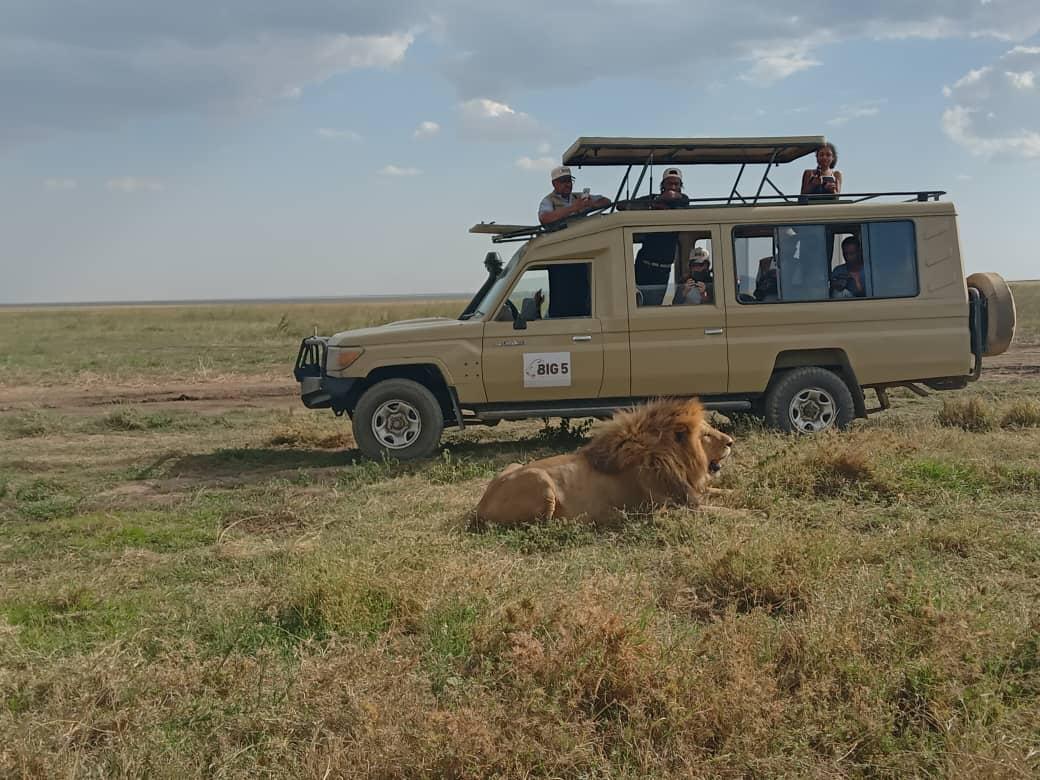
The core of every safari — tracking wildlife across the parks in a pop-top or open-sided…
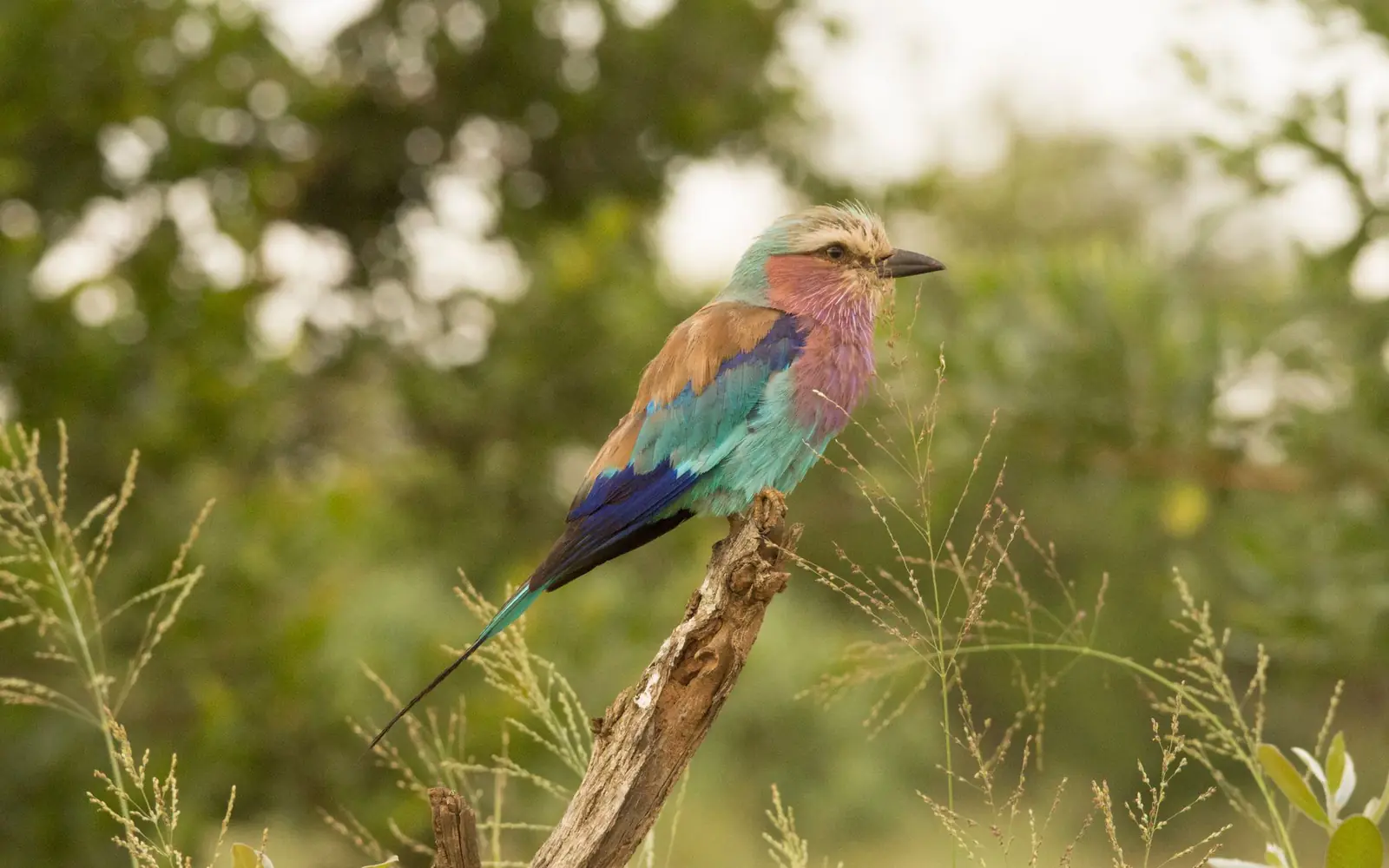
Tanzania has over 1,100 recorded bird species — from the flamingos of the Rift Valley lakes…
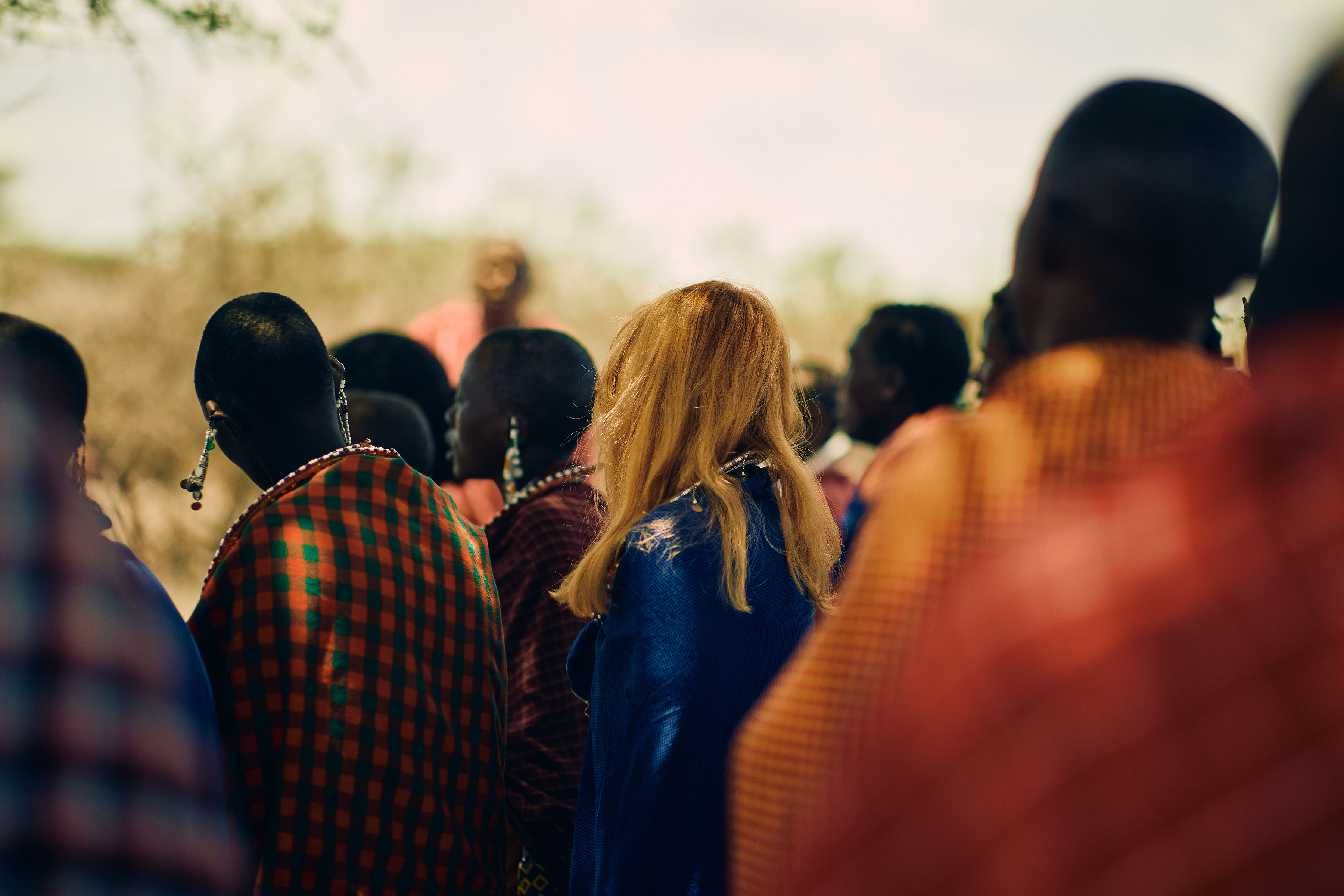
Time with the communities who live alongside the parks — Maasai and Datoga pastoralists, Hadzabe hunter-gatherers…
Where to Stay
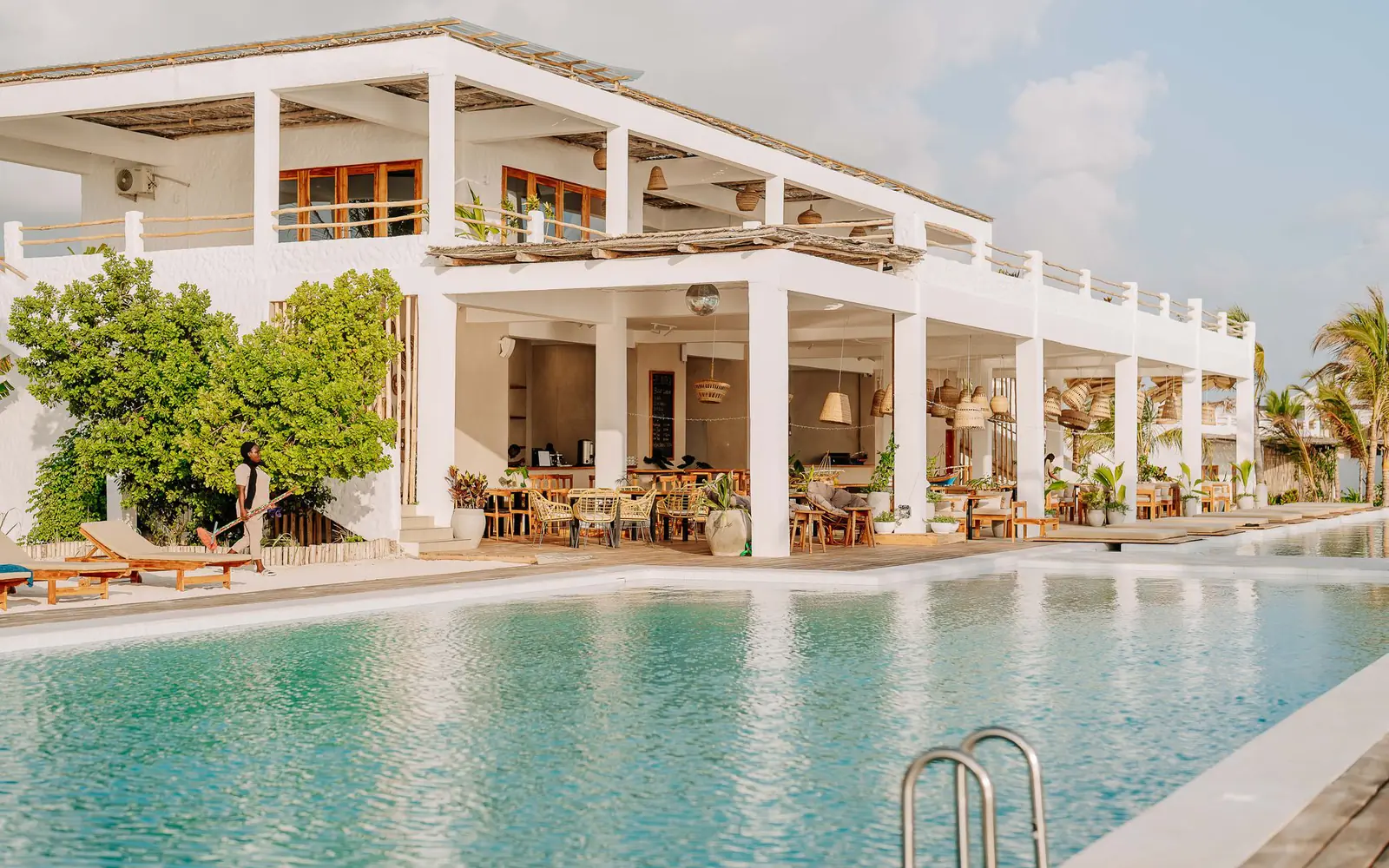 Hotel
Hotel
Marangu village, Kilimanjaro foothills · Kilimanjaro National Park
A historic, family-run country hotel in gardens on Kilimanjaro's lower slopes — one of the oldest climbing bases on the mountain, used…
View details Campsite
On the mountain (Mandara, Horombo, Kibo) · Kilimanjaro National Park
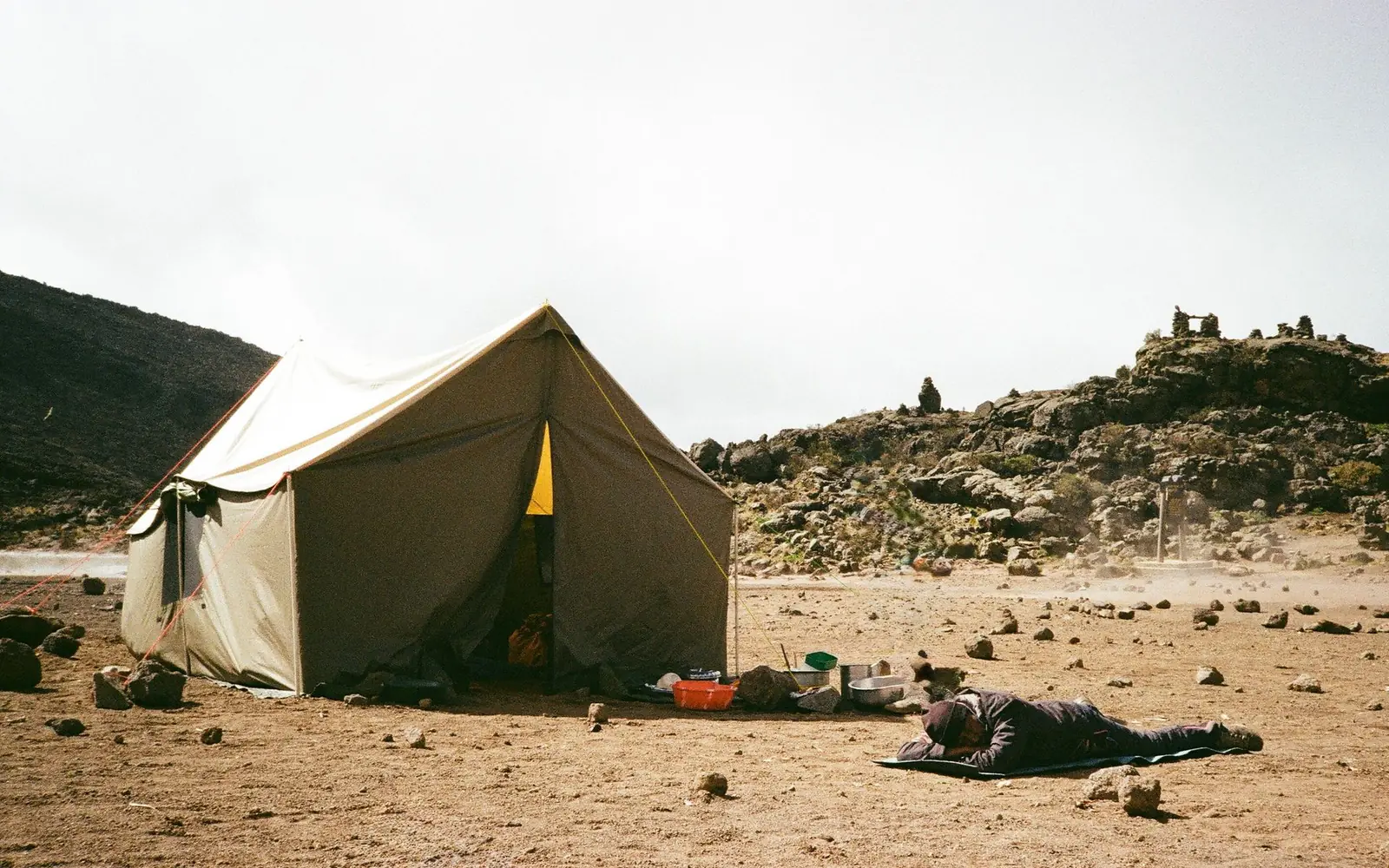
Kilimanjaro's only hut-based route — shared A-frame dormitory huts at Mandara, Horombo and Kibo, with mattresses and dining halls instead of tents.
View details