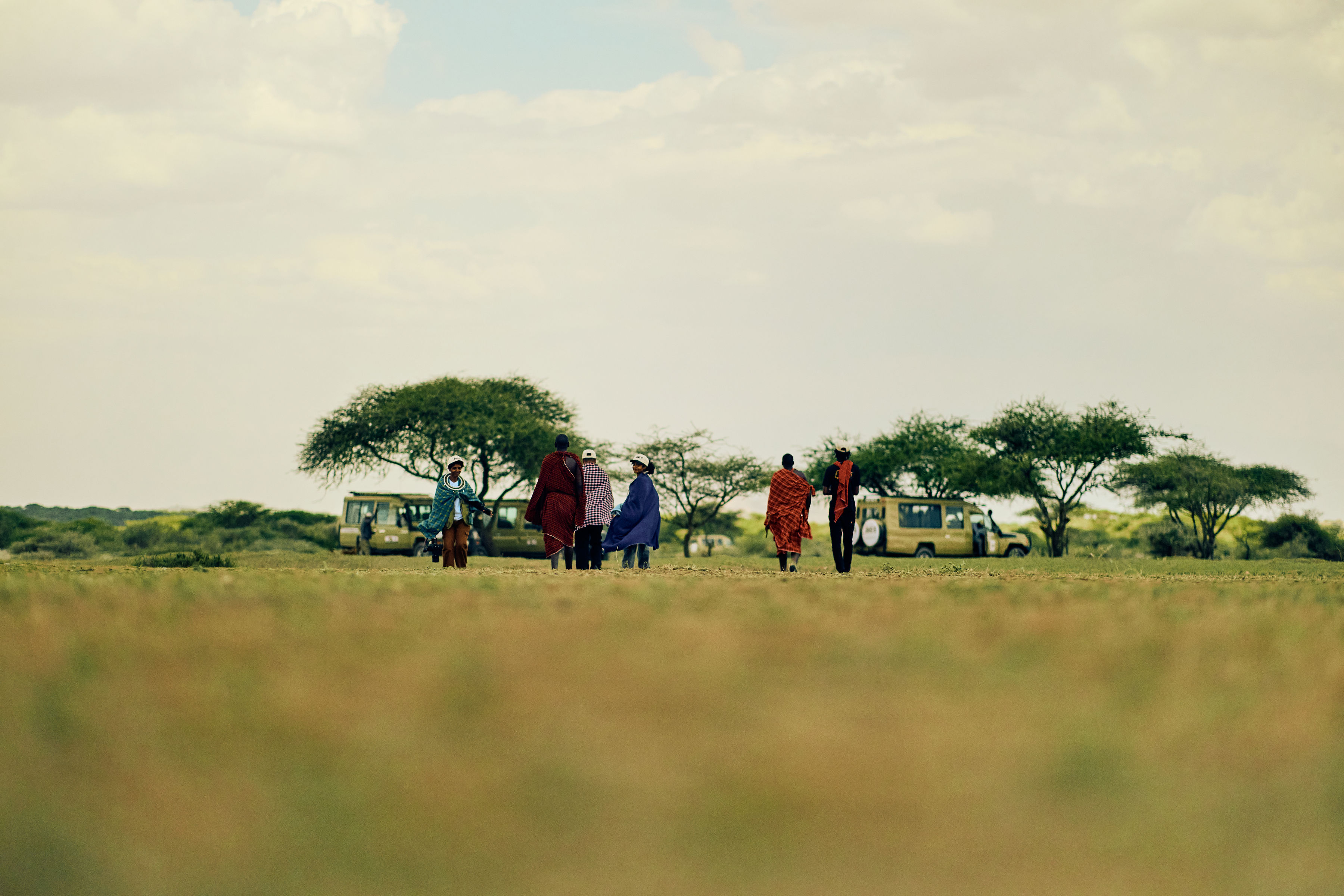
Kilimanjaro is the highest mountain in Africa at 5,895 m and the highest free-standing mountain in the world. It is a walk, not a technical climb — no ropes, no ice axes — but reaching the summit is hard, and how you plan the trip matters more than how fit you are.
There are seven routes. For most climbers Lemosho (7–8 days) is the best all-round choice; the Northern Circuit (9 days) has the highest success rate and the fewest people; Machame (7 days) is scenic but busy; Rongai (6–7 days) approaches from the drier north and suits the rainy season; Marangu (5 days) uses huts rather than tents; and Umbwe is steep and for experienced trekkers only. See the individual route pages for day-by-day detail.
Spend as long on the mountain as you can. Success rates climb steeply with each extra day: roughly 45% on a 5-day climb, 65% on 6 days, and 85–95% on 7–9 days. A good itinerary builds in a slow ascent and, where the route allows, a "climb high, sleep low" acclimatisation day.
The dry seasons — January to mid-March and June to October — are the most reliable. The rains are climbable and quieter; Rongai holds up best then. See the Weather & Seasons page for the wider picture.
Altitude affects everyone. The defences are a long route, a slow pace, staying hydrated and eating even when you do not feel like it. Climbing Mount Meru a few days beforehand measurably improves your chances. On a well-run climb the crew monitors your oxygen levels daily and carries emergency oxygen.
A typical package covers park and rescue fees, a qualified guide and support crew, all camping equipment and meals on the mountain, gate transfers, and a hotel night before and after. You provide your personal clothing and gear (hireable locally), travel insurance that covers trekking to 5,895 m, and tips for the crew. Your exact inclusions are set out in your quote.
You set off around midnight from high camp and climb for six to eight hours in the cold and dark to reach the crater rim — Gilman's, Stella or Stella Point depending on the route — and then Uhuru Peak for sunrise. After photos you descend all the way to a lower camp the same day. It is the hardest part of the trip by a wide margin, and the reason the days beforehand matter so much.
 English
 Français
 Deutsch
 Español
 Italiano
 中文
中文 日本語
日本語